Hey there, rail pros, maintenance heads, and anyone who’s ever stared at a railroad track and thought “wait, how does that steel rail stay put anyway?” As a rail fastener supplier, I’ve spent my days geeking out over every little part that keeps tracks running smooth—so let’s cut through the jargon and break down the big one: direct vs. indirect rail fastening. No stuffy textbooks here, just the kind of straight talk I chat about with clients every single week. Rail Fasteners
First, let’s set the scene. What’s a rail fastener, even? Think of it as the unsung glue of the railroad. Its job? Hold the rail tight to the track base (that’s usually concrete or wood ties, depending on the track type) so trains don’t shift tracks, vibration doesn’t ruin the structure, and wear and tear stays manageable. Now, direct and indirect are the two main systems to make that happen—and they’re not interchangeable at all. Mixing them up can lead to big headaches: loose rails, higher maintenance costs, even safety hits. I’ve seen it happen more times than I can count with new clients who skip the deep dive, so let’s get into it.
Let’s start with direct fastening, since it’s the simpler, no-frills option most people run into first. Direct fastening, in a nutshell, is when your rail is bolted or clamped directly to the concrete or wood tie—no extra middle layer between the rail and the tie base. Wait, hold on, “no extra layer” doesn’t mean zero cushioning, by the way. You still need elastic components to absorb the constant thud of train wheels; otherwise, the metal would beat against concrete or wood so hard it’d crack ties and wear out the rail fasteners in months. For direct systems, that cushioning is usually a pad right between the rail foot and the tie, or sometimes a built-in elastic feature in the bolt or clamp itself.
Common examples? The Pandrol Fastclip system is a classic direct fastener, super popular for urban transit lines, high-speed rail, and even mainline freight. How does it work? The clip wraps around the rail’s base and clamps straight to a metal plate anchored to the concrete tie. No extra spacer between the plate and the tie, no additional components in between. It’s tight, it’s low-profile, and it’s easy to install—you don’t need a ton of extra hardware when you’re working on busy tracks where time is money.
Now, what’s good about direct fastening? Let’s list the wins. First, cost. Fewer parts mean lower upfront material costs, less time to install (especially for mass track projects), and less stuff to maintain over time. I’ve had clients switch to direct systems for their urban light rail because they cut installation time by 20% in some cases—huge when you’re doing night shifts and need to get the track back online before morning rush. Second, stiffness. Direct fastening gives a more rigid track structure, which is perfect for high-speed rail or lines where you need precise rail alignment. If a train is going 200+ mph, even a tiny shift in the rail can cause a big issue—direct’s rigidity keeps that alignment spot on. Third, durability for tight spaces. Direct systems are smaller, so they’re ideal for tunnels, bridges, or compact track layouts where you don’t have room for extra components. I’ve supplied direct fasteners for multiple urban tunnel projects because they fit neatly in the limited space between the tunnel walls and the track.
But direct fastening isn’t all sunshine. The big downside is vibration and stress transfer. Since there’s no middle layer, every bit of the train’s force goes straight to the tie and the track bed. On heavy freight lines, where trains are hauling 100+ ton loads, that constant pounding can wear out ties faster—concrete ties can develop cracks, wood ties can rot quicker, and the fasteners themselves might need more frequent retightening. It’s like running a marathon in shoes with no cushioning; great for a sprint, bad for a long, tough race. Also, direct systems are less flexible if you ever need to adjust the rail position. If you’re doing track maintenance and need to shift the rail a little, the rigid setup makes that way trickier than with an indirect system.
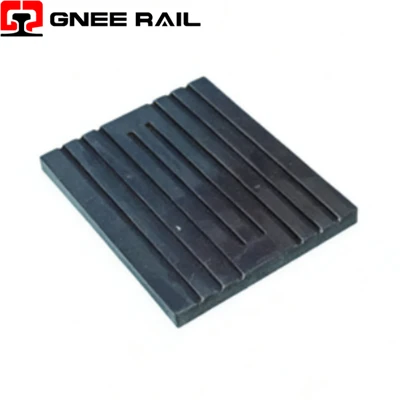
Now, indirect fastening. This is the one that’s got that extra middle layer, the buffer between the rail and the main tie base. Let’s get specific: indirect systems use a separate base plate (sometimes called a sole plate or underpad) that sits between the rail and the tie. Wait, no, even more—sometimes the base plate itself is mounted on a larger, thicker elastomeric pad that absorbs shock before it hits the tie. So instead of the rail’s bolt going straight into the concrete tie, the bolt goes through the rail, through the base plate, through the elastomeric pad, and then anchors into the tie. That’s the key difference: indirect has that intermediate layer that acts like a shock absorber.
A common indirect fastener example? The Vossloh SKL system, which is widely used for heavy freight lines and lines with a lot of curve. Curved tracks are tough because trains pull to one side, putting extra lateral stress on the rail—indirect’s cushioning helps absorb that. Another one is the older (but still widely used) traditional bolted base plate system, where you have a wood or concrete tie, a steel sole plate on top, and a rubber pad between the plate and the tie, with bolts clamping the rail to the plate.
What’s the upside of indirect fastening? Let’s break it down. First, vibration and noise reduction. That middle elastomeric layer is a game-changer for lines that run through residential areas. If you’ve ever lived near a rail line and heard that deep rumble, that’s vibration transferring through the track and into the ground. Indirect fasteners cut that noise by up to 15 decibels in some cases, which is a huge win for urban areas or lines near neighborhoods. I’ve had multiple clients in dense cities switch to indirect systems specifically to meet local noise regulations. Second, tie and fastener longevity. Since most of the impact from trains is absorbed by that middle layer, concrete ties last way longer—we’re talking decades instead of a few years on heavy freight lines. Wood ties also resist rot better because less moisture and stress penetrates the wood. That means lower long-term maintenance costs, even if the upfront price is a bit higher. Third, flexibility. The cushioning in indirect systems lets the rail move a tiny bit vertically and laterally, which is perfect for curved tracks or lines where the track bed might shift over time. If you have a section of track with soft ground, that movement helps prevent stress cracks in the rail and ties.
But indirect has its flaws too. It’s not all benefits. First, more parts. You have the base plate, the elastomeric pad, the bolts, the clamps—way more components than direct. That means higher upfront costs, more inventory to keep on hand (which is a hassle for maintenance teams), and more things that can fail. I’ve seen a client’s indirect system have an issue when the elastomeric pad degraded over time, which led to loose fasteners and a week-long track closure for repairs. That’s a lot more downtime than if it had been a direct system, which has fewer parts to go wrong. Second, installation is slower. With all those extra pieces, it takes more time to bolt everything together correctly. For busy mainline tracks, that extra installation time can add up to higher labor costs, which is a big deal for freight companies that run on tight schedules. Third, less rigidity. If you’re dealing with high-speed rail, that little bit of give in the indirect system can lead to minor rail alignment shifts over time. That means more frequent inspections and adjustments to keep the track precise, which adds to long-term maintenance work.
Now, let’s talk about when to use which. That’s the million-dollar question, right? It all comes down to your track’s purpose, location, and load. If you’re working on high-speed rail, urban transit, tunnels, or straight mainlines with light to moderate loads? Direct fastening is probably your best bet. It’s fast to install, keeps alignment tight, and the low profile works in tight spaces. If you’re working on heavy freight lines, curved tracks, lines near residential areas, or tracks with soft ground? Indirect is the way to go. The shock absorption and flexibility will save you money on tie replacements and noise complaints down the line.
Wait, let’s make that concrete with a real example. Last year, I had two clients reach out for fastener quotes. One was a city doing a new light rail line through downtown—tight tunnels, 80 mph max speed, and a residential area right next to the track. They went with direct fastening: Pandrol Fastclip, with a small underpad between the rail and the concrete tie. It fit in the tunnel, kept the track rigid enough for the speed, and the underpad cut just enough noise to meet city regulations. The other client was a regional freight company with 50 miles of curved track hauling grain—each train is 150 cars, so heavy loads, and the track bed is soft clay that shifts a bit. They went with indirect fastening: Vossloh SKL with a thick elastomeric pad between the base plate and the concrete tie. That pad absorbed the curved stress and the heavy loads, and the flexibility prevented tie cracks from the shifting ground. Both are happy with their choices, and neither would have worked if they’d swapped systems.
Now, as a supplier, I can tell you that the biggest mistake I see is clients picking the wrong system because they only look at upfront cost. Direct is cheaper at first, but if your track is heavy freight, you’ll end up spending way more on tie replacements and fastener retightening down the line. Indirect is more expensive upfront, but for the right track, it pays for itself in less maintenance and fewer delays.
Another thing to note: technology is changing both systems. Direct fasteners now have better elastic components that reduce some of the vibration issues, so they’re being used on some medium-heavy freight lines now. And indirect systems are getting lighter, simpler designs that cut down on the number of parts, so installation is faster. It’s not a black-and-white choice anymore—it’s more about matching the system to your specific needs.
If you’re a track manager, maintenance supervisor, or someone planning a new rail project, don’t just go with what you’ve always used. Take a minute to map out your track’s load, speed, location, and expected lifespan. Chat with a supplier (shoutout to me, obviously) who knows both systems inside and out, and can help you weigh the pros and cons for your specific situation.
At the end of the day, both direct and indirect fastening are designed to keep tracks safe, efficient, and running. There’s no “better” system—just the right one for your job. Whether you’re laying track in a downtown tunnel or a rural freight line, picking the right fastener system is one of the most important decisions you’ll make for your project. It saves you money, reduces downtime, and keeps your trains (and everyone near the track) safe.

If you’re looking to upgrade your rail fasteners, troubleshoot a current system, or just want to pick my brain about what’s best for your track, hit us up to connect. We can walk through your needs, share case studies from similar projects, and make sure you get the right fasteners for the job.
Rail Fastening System References:
- Railway Track and Structures. (2022). "Fastening Systems for Modern Rail Tracks." RTS Publishing.
- Federal Railroad Administration. (2021). "Rail Fastening Best Practices for Heavy Haul and High-Speed Lines." FRA Technical Report.
- Pandrol. (2023). "Direct vs. Indirect Fastening: Application Guide for Transit and Freight Tracks." Pandrol Technical Documentation.
- Vossloh. (2022). "Elastomeric Components in Indirect Rail Fastening: Performance and Durability." Vossloh Engineering Journal.
Henan Gnee Rail Co., Ltd.
As one of the most professional rail fasteners manufacturers and suppliers in China, our products have good reputation in the market. We warmly welcome you to buy premium rail fasteners for sale here from our factory. All customized products are with high quality and competitive price.
Address: No.4-1114, Beichen Building, Beicang Town, Beichen District, Tianjin, China
E-mail: sale@gneerail.com
WebSite: https://www.gneerail-fastener.com/
