Hey there, let’s cut to the chase: if you’ve ever glanced at a tin can in your pantry and thought “wait, is that actually a 3 piece can?” you’re not alone. I’m a supplier of these cans, and I get way too many questions from clients, small business owners, even friends at BBQs who swear a soda can is the same as a tuna can. Spoiler alert: no, not all tin cans are created equal. Let’s break this down like we’re geeking out over packaging (which, let’s be real, is more interesting than it sounds when you work in this space). 3 Piece Can
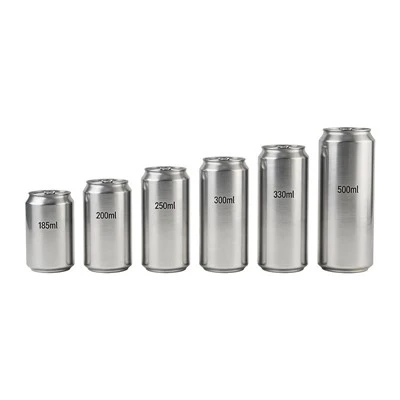
First, let’s get the basics out of the way, no jargon promise. A standard tin can—you know, the ones you use for soup, beans, pet food? That’s a 3 piece can, full stop. The “three pieces” are the three separate metal parts that get welded or sealed together, right? Let’s list ’em: the cylindrical body, the top end (the one with the can opener tear or the easy-open pull tab), and the bottom end. If you’ve ever opened a can and noticed that thin seam running up the side? That’s the weld that holds the body together—total dead giveaway it’s 3 piece. Now, what do people usually mix it up with? That 2 piece soda can, duh. That’s just the body and top as one single piece, no side seam. But here’s the thing: when most folks say “tin can,” they’re talking about that 3 piece variety, and for good reason—they’re the workhorses of the food packaging world, and I’ve seen why they beat 2 piece for so many products.
Let’s talk about why that side seam matters, because it’s not just a random line. When I’m working with a new client, especially one launching a pet food line or a craft sauce, the first question isn’t “can you print on it?” it’s “will this keep my product fresh?” And that side seam is a huge part of that. 3 piece cans use a special food-grade lacquer inside that coats every inch of the metal, including that weld line. That’s non-negotiable for acidic stuff like tomato sauce, or even high-moisture pet food—you don’t want metal leaching into your product, right? I had a client last year who tried switching to 2 piece for their marinara, and within three months they were getting complaints about off-flavors. Turns out the 2 piece’s seamless structure was thinner in some spots, and the lacquer couldn’t bond as evenly around the curved top/bottom edges. Lesson learned.
Another big one: size. 3 piece cans can come in way bigger sizes than 2 piece. Think about a 5-gallon industrial can for paint, or a 10-pound can of coffee. You can’t make a 5-gallon 2 piece can because the metal would need to be so thin to fold that it’d bend under the pressure. The separate body, top, and bottom of a 3 piece can mean we work with thicker gauge metal, which can hold way more weight. I supply a lot of small-batch roasters, and they love that 3 piece can for their 1-pound whole bean cans—no more crushed beans on the shelf, and the side seam lets us add extra oxygen barrier to keep the coffee fresh longer. That’s a win for everyone, right?
Wait, but let’s address the elephant in the room: are 3 piece cans actually “tin” anymore? A lot of people say “tin can” like it’s made of solid tin, but honestly, most are steel or aluminum with a thin tin coating. The tin is just to prevent rust, same with the lacquer. But even so, the term stuck, and I’m not mad about it—customers know what they mean when they ask for a tin can. And 3 piece cans are usually steel, which is way easier to recycle than aluminum, especially for industrial uses. Last year, we worked with a local recycling company, and they told me 80% of the 3 piece cans we supply get recycled within six months, compared to like 60% of 2 piece soda cans. That’s a big deal for businesses that care about their carbon footprint, which almost all do these days.
Now, why do people still confuse them? Let’s be real, most of us don’t look at cans twice when we’re grabbing groceries. The 2 piece cans are everywhere—soda, seltzer, beer. But when you walk down the aisle of canned goods at the store, those are 99% 3 piece. I had a high school kid come into our trade show booth last spring, and he said “wait, my mom uses these for pickles, is that the same as a soda can?” It’s a fair question, and that’s why I love talking about this stuff—education is half the battle when you’re a supplier. A lot of small businesses don’t realize that 3 piece cans aren’t just for soup; you can get custom sizes, prints, even different end types. Easy-open ends, pull tabs, even resealable lids for things like nuts or trail mix. We did a run for a local snack brand last year where we added a resealable end to their 3 piece 12-ounce can of trail mix, and sales went up 15% because customers loved being able to close it. That’s the kind of thing that makes my job worth it.
But let’s not gloss over the downsides of 3 piece cans, because we’re being real here. The side seam—if it’s not sealed right, you can get leaks. That’s why we use automated welding equipment, not hand-welding, which is still a thing for super small runs. I once worked with a craft jam maker who tried to order 50 3 piece cans from a cheap supplier, and half of them leaked. Ended up having to do a full recall, which cost them thousands. That’s why when you’re picking a 3 piece can supplier, you need someone who tests every can for seal integrity, not just cranks them out. We do a pressure test on every batch—each can gets pressurized to 100 PSI, and if it doesn’t hold, we toss it. No exceptions.
Another thing: environmental impact. Some people say 2 piece cans are better because they use less material, but wait—let’s do the math. A 3 piece can uses a bit more metal, but it’s easier to recycle because the steel is thicker, and there’s no need to separate the top and bottom (which you have to do with 2 piece aluminum cans). Also, 3 piece cans can be made from 100% recycled steel, which is way more common than recycled aluminum for large runs. We source all our steel from mills that use at least 70% recycled material, and that’s a selling point for a lot of our clients. Last year, we got a contract with a national pet food brand, and their whole thing was being carbon-neutral, so being able to offer 3 piece cans made from recycled steel was a huge factor.
Wait, let’s go back to the original question: “Is a 3 piece can a tin can?” The short answer is: yeah, in common terms, absolutely. The technical side says it’s a steel can with a tin coating, but when your grandma says “get me a tin of tomatoes,” that’s a 3 piece can. The 2 piece soda can is just called a soda can, not a tin can, because it’s a different design. So the confusion is just a mix of marketing and regular people not needing to know the packaging specs until they need them.
I can’t tell you how many times a client has called me panicking because they thought their product wasn’t compatible with a tin can, only to realize they were thinking of 2 piece. “Wait, your 3 piece can is food-safe? For my baby food?” Duh, of course it is. We use a FDA-approved lacquer that’s totally non-toxic, so you don’t have to worry about that. That’s another big reason 3 piece cans are still around—they’re safe for all kinds of food, even the most sensitive ones.
Now, if you’re reading this and you’re a small business owner, or someone who’s been thinking about switching your product to canned packaging, let me tell you: 3 piece cans are flexible, reliable, and way more customizable than you might think. We do custom prints, from simple logos to full-color labels that wrap all the way around the can, and we can make any size you want, from 2 ounces up to 5 gallons. No more being stuck with the standard sizes at the grocery store—your product can stand out with a custom 3 piece can.

At the end of the day, the question isn’t just a silly one for a food blog; it’s about understanding your packaging, which can make or break a product. If you’re a consumer, next time you grab a can of beans, take a look at the side—see that seam? That’s your 3 piece can, hard at work keeping your food fresh. If you’re a business owner, don’t sleep on 3 piece cans—they’re the workhorses of the packaging world, and for good reason.
Metal Lid If you’re looking to source 3 piece cans for your product, whether it’s food, pet supplies, or anything else, don’t hesitate to reach out. We work with everyone from startup brands to large national companies, and we can help you find the right size, material, and design for your needs. No run is too small, no custom request is too weird. Let’s chat, figure out what works for you, and get your product in a can that’s perfect for it.
References
- American Iron and Steel Institute. "Recycling Statistics for Steel Packaging." 2023.
- Food and Drug Administration. "Food Contact Materials: Lacquers and Coatings for Metal Cans." 2022.
- Packaging Association of Canada. "3 Piece vs. 2 Piece Can: Performance and Use Cases." 2021.
- World Packaging Organization. "Sustainable Packaging: Metal Cans vs. Plastic Alternatives." 2022.
Fudijia (Tianjin) Supply Chain Co., Ltd.
As one of the most professional 3 piece can manufacturers and suppliers in China, our products have good reputation in the market. Please feel free to buy customized 3 piece can made in China here from our factory. Quality products and low price are available.
Address: Room 1602, MSD-G1, TEDA , Binhai New Area, Tianjin, China, 300457
E-mail: Sales896@hjlfoods.com
WebSite: https://www.fdjpack.com/
