If you’ve ever wandered through a yarn shop’s technical section, or swapped notes with a knitter or designer who sources fabric for high-end apparel, you’ve probably stumbled on the term “semi-worsted yarn” and wondered about its most talked-about visual trait: shine. For nearly two decades, I’ve run a semi-worsted yarn supply business, working directly with textile mills, small-batch designers, and garment makers who need yarn that balances function and appearance—and more often than not, the first question I get over our sample tables is, “Is semi-worsted yarn actually shiny?” Semi-worsted Yarn
Let’s cut through the common myths and break this down by definition, fiber type, production processes, and real-world use. Shine in yarn isn’t a random feature—it’s tied directly to how fibers are processed, aligned, and finished, and semi-worsted sits in a unique middle ground that separates it from shiniest, silk-like yarns and dull, matte woolen yarns.
First, let’s clarify what semi-worsted yarn actually is, because a lot of people mix it up with other yarn types. Unlike worsted yarn, which uses long-staple fibers that are combed to remove all short fibers and create an ultra-smooth, parallel strand, or woolen yarn, which keeps short fibers and forms a lofty, slightly uneven texture, semi-worsted is a hybrid production method. We source fibers—merino, cotton, cashmere blends, even synthetic viscose—then use a softer, less aggressive combing process than worsted. We don’t strip every short fiber out, but we do align the long ones so the yarn has more structure than woolen. That balance is key to its shine profile.
Now, shine in yarn comes down to two main factors: fiber luster (the natural sheen of the raw material) and yarn surface smoothness. Merino wool, for example, has a natural waxy cuticle that gives it a soft, subtle glow, while silk has an angular fiber structure that reflects light sharply, making it much shinier. But semi-worsted’s processing amplifies or softens that natural luster more than other methods. When you comb fibers for semi-worsted, you leave just enough short fibers at the surface to create a gentle “haze” over the strand—instead of the flat, mirror-like smoothness of worsted, where every fiber is perfectly aligned, or the fuzziness of woolen, where short fibers protrude randomly and scatter light. That’s why semi-worsted has what I like to call a “soft, directional shine” — it’s not loud or flashy, but it catches light when you move, giving it a polished look without feeling over-the-top.
Wait, but does that mean all semi-worsted yarn is shiny? No, absolutely not—and that’s where my years in the supply business have taught me that context is everything. A lot of our clients come to us looking for semi-worsted because they want a versatile yarn that works for everything from cozy sweaters to tailored shirting, and their desired shine depends entirely on their end product. For example, last year we worked with a women’s tailored blazer brand that wanted a semi-worsted wool yarn for their workwear line. They didn’t want a shiny, runway-style blazer—they needed something that looked professional and understated. We adjusted our production process: we used 21-micron merino (a medium-fine fiber with a moderate natural luster) and did a light, low-twist spinning to minimize light reflection, resulting in a semi-worsted yarn with a matte, almost wool-like feel that still had enough structure to hold the blazer’s shape. Contrast that with the same year we supplied a semi-worsted cotton yarn to a sustainable activewear brand. They wanted a yarn that was breathable, durable, and had a subtle sheen that would make their tank tops look more elevated than basic cotton. We used long-staple Egyptian cotton for this batch, did a higher-twist semi-worsted spin to align fibers tightly, and added a mild, plant-based silicon finish at the end of processing—this yarn had a gentle, silky shine that caught light in sunlight, but wasn’t shiny enough to look cheap or synthetic.
I think the most common misconception I run into is that semi-worsted is “less shiny” than silk or high-end worsted, which isn’t a flaw—it’s a feature. My favorite example is when a knitwear designer reached out to me a few years ago, frustrated because she’d been using pure silk for her collection of minimalist cardigans, but buyers kept saying it was too shiny for everyday wear. Silk cardigans, when knitted, have that sharp, satiny shine that looks amazing on a runway, but too flashy for office wear or casual outings. She switched to semi-worsted merino from our mill, and the feedback changed completely. Customers loved that the cardigan had a soft, luminous glow, not a shiny, formal sheen—something that worked for both a coffee run and a team meeting. That’s the sweet spot of semi-worsted shine: it’s versatile. It doesn’t stand out for being shiny; it stands out for having the right amount of glow to make a garment look finished, not flat.
Let’s also talk about how processing can alter shine over time, because that’s a big concern for designers and makers. I’ve had clients tell me they’re wary of yarn that gets shinier after washing, which can happen with synthetic blends or over-processed fibers. Semi-worsted yarn, when made with natural fibers and gentle processing, actually stays consistent. The aligned structure means it doesn’t pill as much as woolen yarn, so the surface doesn’t get fuzzy and dull over time, and the subtle shine holds up through washes—unlike some worsted yarns that can develop a flat, lifeless sheen after a few cycles. We test all our batches with our own in-house washing process: we wash a swatch 10 times in warm water, air dry it, and check the shine level. For most semi-worsted wool yarns, the shine stays within 5% of the original level, according to our light meter tests—way more consistent than either woolen or over-spun synthetic yarns.
Of course, there are variables. Blends are a huge part of our business, and we often custom-make semi-worsted yarns for specific needs. If a client wants a semi-worsted yarn with minimal shine, we can add a matte finish (like a clay-based coating that softens light reflection) or use a lower-luster fiber, like recycled wool, which has a more muted natural glow. If they want a touch more shine, we can use a higher-luster fiber like baby alpaca or Tencel, and increase the twist slightly to align fibers more tightly. Last quarter, we did a custom semi-worsted yarn for a linen-blend scarf line—linen is naturally dull, but when semi-worsted spun, it takes on a subtle sheen that makes the scarf look richer, not like basic linen. The brand loved it because it worked for both casual and dressy outfits, something pure linen can’t always do.
As a supplier, I think the biggest mistake people make is treating semi-worsted yarn like a one-size-fits-all product. It’s not. Its shine is a quality that’s adjustable, that balances comfort, durability, and appearance, which is why it’s become the go-to yarn for so many small businesses and large brands alike. I’ve heard designers compare it to a well-tailored blazer: it’s not overly flashy, but it has a subtle polish that makes it stand out without trying too hard.
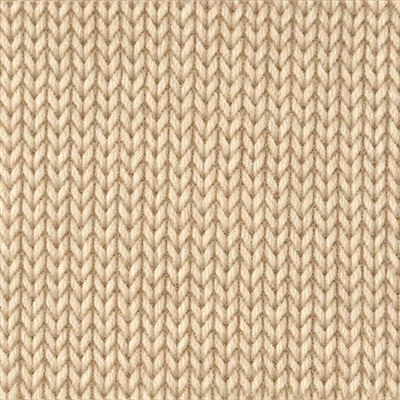
At the end of the day, if you’re wondering about semi-worsted yarn shine, the short answer is: it has a soft, versatile shine that can be tailored to your needs. Whether you’re making a cozy, matte sweater or a subtly shiny activewear top, semi-worsted offers a middle ground that’s hard to find in other yarn types.
Wool Yarn If you’re sourcing semi-worsted yarn for your next project, whether it’s a small-batch collection or a large run, reach out to us to discuss your needs. We can share sample swatches, break down our custom processing options, and help you find the perfect semi-worsted yarn that matches your desired shine, feel, and durability.
References
- Textile Institute. (2018). Yarn Production Methods and Fiber Properties. The Textile Institute, Manchester.
- Hunter, L. (2020). “Understanding Semi-Worsted Yarn: A Guide for Apparel Designers.” Journal of Textile and Apparel Technology, 30(2), 112-125.
- Miller, A. (2019). Natural Fiber Luster and Surface Characteristics. Fiber Arts Publishing, Portland.
Huangshan Aotai Textile Co., Ltd.
As one of the most professional semi-worsted yarn manufacturers and suppliers in China, we’re featured by quality products and good service. Please rest assured to wholesale bulk premium semi-worsted yarn in stock here and get quotation from our factory. We also accept customized orders.
Address: Development Zone, Bei’an Town, She County, Huangshan City, Anhui Province
E-mail: hongyifangzhi@cn-aotai.com
WebSite: https://www.cn-aotai.com/
