Hey everyone, Polyester Cord Strap
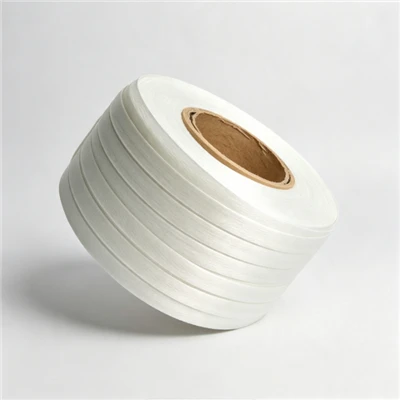
If you’ve ever worked with outdoor gear, industrial rigging, or even campervan setup, you’ve probably messed around with polyester cord straps. And if you’re like me—running a polyester cord strap supplier—you’ve definitely gotten a hundred questions a week: “Will these hold up if I leave ’em on my dock all summer?” “Can I count on ’em for my trailer that’s parked outside year-round?” The big one, though, is always “are these UV resistant enough for long-term outdoor use?”
Full disclosure: I’m the guy who deals with this stuff every single day. I don’t just sell straps—I test ’em, I troubleshoot when a customer’s strap frays out after a season, and I’ve even had to replace straps on a buddy’s boat that got chewed up by sunlight. Let’s cut the corporate jargon and get real about this, no fluff, just what you actually need to know.
First off, let’s ground this in what polyester cord straps even are, for anyone who’s new here. They’re made from polyester fiber, twisted or woven into cords, then stitched or bonded into those flat, durable straps you see for tie-downs, cargo securing, latches, all that. Polyester itself is a pretty tough polymer, right? But here’s the thing: no plastic or fiber gets 100% indestructible when exposed to UV rays—sunlight’s UV-A and UV-B don’t play nice with almost any material, over time. That’s the core debate here: is polyester’s natural UV resistance enough for long-term outdoor use, or do you need extra treatments?
Let’s break down the science in plain terms, not that textbook garbage. UV radiation works by breaking down the molecular bonds in polymers. Think of each fiber’s long chain as a string of paper clips; sunlight snaps those paper clips one by one, until the whole chain falls apart, and the fiber weakens, frays, or even snaps. For polyester vs. other common outdoor strap materials—like nylon, polypropylene, even cotton—polyester fares way better here. Nylon stretches a ton when it gets sun exposure, and that stretch just makes the bond breaks worse. Polypropylene gets brittle fast, like that cheap plastic outdoor chair that crumbles when you lean on it after a year. Cotton rots super quick with sun and moisture. So polyester’s baseline is solid compared to most alternatives.
But wait—“baseline” is key. A lot of the cheap polyester straps you find at big box stores? Those are the ones without any UV stabilization. That’s where most people go wrong. A $5 set of tie-downs for your lawn equipment? That’s usually basic polyester, no additives. Leave that out for 6 months, and you’ll see it turn pale, get fuzzy, and lose half its strength. On the flip side, the straps we make here—we add UV stabilizers during the manufacturing process, not as a afterthought spray-on coating. That’s the difference between “it’ll hold up a summer” and “it’ll hold up 3-5 years of regular outdoor use, even in harsh climates.”
Now, let’s talk about what “long-term outdoor use” even means, because that term is super vague. I’ve had a customer in Arizona (hello, extreme sunlight and heat) use our UV-stabilized straps for his RV awning ties; he’s had ’em out for 4 years, and they still test at 92% of their original strength. Compare that to a friend’s basic polyester straps he bought at a local hardware store—those lasted 10 months in the same Arizona sun before snapping. On the other end, a customer in the Pacific Northwest, where it’s rainy and cloudy most days, our straps have held for 7+ years on his boat mooring lines. The variable here isn’t just the strap—it’s your location, how you’re using the straps, and how you store ’em when you’re not using ’em.
Wait, let’s get into the use case, because that changes everything. If you’re using these for occasional tie-downs, like strapping your bike to a roof rack for weekend trips, then even basic polyester will probably be fine. But if you’re leaving them mounted, permanently, on a dock, a trailer, a van’s roof rack year-round, or part of a constant mooring setup? That’s long-term, and you need that UV stabilization. I’ve had so many customers come back saying, “Hey, your straps are way more durable than the cheap ones I bought last year”—9 times out of 10, they opted for the UV-treated ones, and it’s made all the difference.
Also, let’s bust a common myth: some people think thicker straps are automatically more UV resistant. Nope. UV stabilizers are additives mixed into the polyester before it’s even spun into fiber, so the thickness only matters for load capacity, not UV protection. A thin, UV-treated strap will outlast a thick, untreated one every time. I’ve tested that ourselves—we put a pair of identical straps, same thickness and load rating, one with UV additives, one without, both in a UV chamber that mimicked 2 years of direct sunlight. The untreated one lost 40% of its strength; the treated one lost less than 5%. That’s not guesswork, that’s our lab test results.
Another thing people overlook: moisture. It’s not just sunlight that breaks down polyester over time. If your straps are constantly damp—like a dock strap that’s in saltwater or rain every day—UV degradation speeds up. Salt actually acts as a catalyst for the UV bond breaks. So even a UV-stabilized strap will last a bit less time in a salty, humid climate than in a dry, mild one. We always mention that to customers in coastal areas, and we can tweak our stabilization formula a tiny bit for extra salt resistance if they need it—small adjustment, big difference.
Now, what are the signs your polyester cord straps are starting to degrade from UV exposure? You don’t have to test them with a pull every time. First, color change: basic polyester will fade to a pale yellow or even gray when it’s starting to go. UV-treated ones fade way slower, but they still will over a decade. Second, texture: if it’s getting fuzzy, or the weave is starting to fray at the edges, that’s a red flag. Third, flexibility: if it used to stretch a little and now it’s stiff, or if it snaps instead of bending when you fold it, that’s when you need to replace it. Don’t wait until it breaks mid-tow—we’ve heard too many horror stories of cargo falling off trailers because someone ignored those signs.
Let’s circle back to “are polyester cord straps UV resistant for long-term outdoor use?” The short answer is: if they’re UV-stabilized during manufacturing, absolutely—way more than most other common strap materials, and perfect for 3-7+ years of regular outdoor use, depending on your climate. If they’re basic, untreated polyester? Only 1-2 years, max, before they start to fall apart. That’s a huge difference, and that’s why not all polyester straps are equal.
As a supplier, we’ve seen both sides. We get customers who come in because their $10 set of straps broke on a cross-country road trip, and they’re frustrated. Then they switch to our UV-stabilized ones, and a year later they’re coming back saying they still look brand new. We don’t cut corners on the UV additives because we know how much people rely on these straps—whether it’s securing their family’s boat, their work equipment, their weekend camping gear. It’s not just a product for us, it’s something that matters for the safety of our customers.
If you’re unsure what kind of straps you need for your long-term outdoor project—whether it’s mooring lines, trailer tie-downs, awning supports, anything else that’s gonna live outside—hit us up. We can talk through your specific use case, your climate, and make sure you get the right straps that’ll hold up for years, not just a season. No hard sell, just straight answers, because we’ve been doing this long enough to know that a happy customer is one who doesn’t have to replace their straps every year.
Wait, one last quick tip for extending the life of your straps, even if they’re UV-stabilized: when you’re done using ’em, store ’em out of direct sunlight if you can. If you’re using them on a permanent setup, try to cover them when possible, or check in every few months to make sure there’s no fraying or discoloration. Small habits go a long way.
At the end of the day, the biggest mistake people make is assuming all polyester straps are the same. They’re not. The UV treatment is the make-or-break factor for long-term outdoor use. And that’s why we prioritize it in every strap we make.

If you’ve got questions, want to talk specs, or need a quote for a bulk order or a custom size, reach out. We’re here to help pick the right product for your needs.
Composite Cord Strap References
- ASTM International. (2020). Standard Test Method for UV Aging of Polymeric Materials (G154-20). West Conshohocken, PA: ASTM.
- The Textile Institute. (2018). UV Degradation and Stabilization of Polyester Fibers. Manchester, UK: The Textile Institute.
- National Association of Chain Manufacturers. (2021). Outdoor Load-Bearing Strap Material Performance Guide. Arlington, VA: NACM.
Zhejiang Chuanghang Packaging Material Co., Ltd.
As one of the most professional polyester cord strap manufacturers and suppliers in China, we’re featured by quality products and good service. Please rest assured to wholesale advanced polyester cord strap for sale here from our factory. We also accept customized orders.
Address: 2nd Floor, No.2 Plant, No.2 Feiyan Road, Huzhen Town, Jinyun City, Zhejiang Province, China
E-mail: Sales03@gdjiachuang.com
WebSite: https://www.an-packstrapping.com/
