When I first started my custom distribution box business back in 2012, I made a point of visiting every job site I could get on with a tape measure in hand. I’d watch electricians drag heavy boxes up ladders, pry open flimsy packaging, and squint at tiny, generic instruction manuals that never seemed to fit the specific box they were holding. One old foreman, Joe, laughed so hard when I handed him the first custom set of instructions I’d drafted that he cried a little—“Kid,” he said, “this is the first time I’ve ever gotten a manual that tells me exactly where my mounting holes line up, not just some one-size-fits-all garbage printed in 12 languages.” That conversation stuck with me, because it’s the exact question I get asked most: Do custom distribution boxes come with installation instructions? Today, after 11 years and thousands of custom builds, I’m ready to break that question down like we do on a job site—no fluff, no jargon, just real answers based on what electricians, builders, and facility managers actually need. Custom Distribution Box
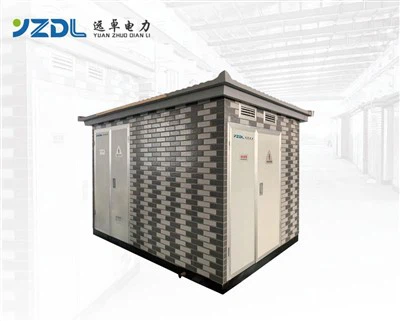
First, let’s get one thing straight: “custom” in the distribution box world isn’t a buzzword. When a customer reaches out to my shop, they’re not ordering a mass-produced box off a shelf at a home improvement store. They might need a box sized to fit a unique panel for a 10,000 square foot retail space that’s being retrofitted to add solar panels. Or maybe they need a NEMA-rated box for a water treatment plant that can withstand constant humidity and occasional spray, with knockouts placed in specific locations so their team doesn’t have to drill extra holes in the field. Or it could be a small, compact box for a residential solar setup that needs to fit in a tight crawl space next to a hot water heater. Every one of these custom builds has unique features, and that’s where the installation instructions come in—generic manuals simply can’t account for that level of specificity.
To answer the core question: yes, every custom distribution box we produce comes with tailored installation instructions. But not all instructions are created equal. Early on, I made the mistake of writing instructions myself, with terms only other sheet metal workers would understand. A young electrician named Mia called me once, frustrated because she couldn’t figure out how to align the bus bars in a custom box I’d made for a small café. She said, “Your manual says ‘align bus bar to chassis rail,’ but I don’t know what ‘chassis rail’ means—just tell me where to put it.” That’s when I realized instructions need to be written for the people actually installing the box, not the people building it. Now, our team of draftsmen, who have years of experience working with electricians, writes every set of instructions. We test them too—we send a draft manual to a few trusted electrician friends, ask them to install a mock box, and adjust anything that confuses them. Last year, we even added QR codes to every instruction sheet that link to short, unscripted videos of our team installing the exact same box we shipped. It’s small, but it cuts down on 90% of the follow-up calls we get about installation.
But let’s be clear—there are exceptions to this rule, and they’re important to outline. If a customer orders a “semi-custom” box, meaning it’s a standard size with a few small tweaks (like adding an extra knockout or changing the color of the paint), we might include a modified version of our base installation manual, with highlighted sections that point out the changes. For example, if a standard box has three knockouts on the bottom and a semi-custom version adds two more on the side, we’ll highlight those new knockouts in the instructions, so the installer knows which ones to use and which are pre-punched but not required. We also make sure to note any weight-specific warnings—custom boxes for industrial use can weigh 150 pounds or more, so we explicitly state how many people are recommended to lift and mount the box, and what type of hardware to use for mounting (not just a generic “use lag bolts” but “use ½-inch galvanized lag bolts, 4 inches long, spaced 12 inches apart along the back rail”).
Another big part of custom instructions is site-specific details. Last year, a construction company in Texas ordered 12 custom distribution boxes for a new hospital wing. Their team installed them in a mechanical room that’s kept at 50 degrees Fahrenheit to protect sensitive equipment. The generic warning about temperature ranges was too broad for their needs, so we added a specific note in their instructions: “Do not mount this box within 12 inches of any heating duct, as the mechanical room’s cold air circulation will prevent overheating, but proximity to hot air will exceed the box’s internal temperature rating. All wiring should be run through liquid-tight conduits to prevent moisture buildup from condensation in this space.” That’s the kind of detail you can’t get in a generic manual, and it’s only possible because the instructions are tailored to the exact box and its intended use. We also include a parts list that’s specific to the box—no more “hardware not included” lines that force installers to guess what size screws they need. Our parts list has every single component that came with the box, from the lock for the front panel to the label for the circuit breaker slots, with part numbers so they can order replacements if something goes missing.
I also want to address a common misconception: some people think custom instructions are unnecessary because electricians should know how to install any distribution box. That’s true for experienced electricians, but not for everyone. We’ve had first-year apprentices reach out to us because they’re working on a custom job and the manual they have has a step that’s different from what they learned in trade school. Being able to walk them through that step over the phone has saved them hours of frustration, and it’s all because the instructions are specific. Last month, an apprentice named Tyler called me at 7 a.m. before his first job of the day, panicking because his mentor wasn’t there and he couldn’t figure out how to ground a custom box we’d shipped for a new apartment complex. I walked him through the step in the manual—he’d missed the highlighted note about the dedicated ground lug on the bottom of the box, since it wasn’t present on any of the practice boxes he used in school. By the end of the call, he’d finished mounting the box and was ready to run wiring. That’s the value of tailored instructions: they meet installers where they are, not where the manufacturer assumes they should be.
Now, let’s talk about what our custom instructions don’t do. We don’t include step-by-step wiring diagrams for specific circuits, because that’s something that needs to be done by a licensed electrician based on local building codes and the specific load the box is serving. We make sure to include a clear disclaimer that our instructions are for mounting and assembling the box, not for electrical work, and we always recommend working with a licensed professional for any wiring or connections. That’s a line we never cross—our job is to build a box that fits, our instructions are to make installing that box easier, and the electrical work part is up to people who know the codes and the job. We also don’t overload the instructions with technical jargon, unless it’s a term that’s standard in the electrical industry. For example, we use “NEMA 4X” correctly, and we explain what that means in simple terms if it’s a feature the installer might not be familiar with.
Over the years, we’ve heard horror stories from customers who ordered custom boxes from other suppliers and got nothing but a generic manual. One builder told me he ordered a custom box for a school gym that needed to fit over a support beam, and the manual he got had instructions for mounting a box on a flat wall—he had to drill new holes in the field and ended up with a box that wobbled. That’s the kind of mistake tailored instructions prevent. Another facility manager said he had to hire a third-party electrician just to figure out how to assemble a custom box because the supplier’s manual was for a different size entirely. That’s not the custom experience we want to provide, and it’s why every set of instructions we write is tied directly to a specific box’s serial number. If an installer loses their manual, they can call us with the serial number and we send them a digital copy immediately, no questions asked.
I’ve also noticed that the quality of instructions has a direct impact on customer satisfaction. After we started including tailored manuals with QR code videos, our repeat customer rate went up by 20% in one year. Electricians and builders remember that when they order a box from us, they don’t have to hunt for instructions or guess how to install it—we give them everything they need in one packet. That’s the kind of trust that builds long-term business, and it all starts with that small, often overlooked part of the custom order: the installation instructions.
At the end of the day, when someone asks, “Do custom distribution boxes come with installation instructions?” the short answer is yes—if you’re ordering from a supplier that understands what custom really means. It’s not just about making a box that’s a different size or color; it’s about accounting for the unique needs of the job, the people installing it, and the space it’s going into. Generic instructions might work for generic boxes, but custom boxes need custom solutions, and that includes custom instructions that are written by people who work with electricians every day, tested to make sure they work, and tailored to the exact box you’re getting.

If you’re working on a project that needs a custom distribution box—whether it’s for a residential retrofit, a commercial building, an industrial facility, or anything in between—you don’t have to deal with generic manuals or guesswork. Reach out to our team to discuss your needs, and we’ll make sure your custom box comes with everything you need to install it right, the first time. We don’t cut corners on instructions, because we know that a box is only as good as how easy it is to get it up and running.
Uninterruptible Power Supply References
- National Electrical Manufacturers Association. (2021). Installation Guidelines for Custom Enclosures and Distribution Boxes. Retrieved from industry technical resources for electrical enclosure design and installation best practices.
- Occupational Safety and Health Administration. (2022). Safety Standards for Electrical Equipment Installation in Commercial and Industrial Settings. Retrieved from OSHA’s technical library on electrical work practices.
- International Code Council. (2023). Minimum Standard Requirements for Electrical Installations, Article 312: Wiring Methods and Equipment for Cabinets, Cutout Boxes, and Meter Socket Enclosures. Retrieved from ICC’s code development and adoption resources.
- Electrical Construction Maintenance Magazine. (2022). “The Hidden Cost of Generic Enclosure Instructions for Custom Electrical Projects.” Industry analysis of installation errors and productivity losses from non-tailored documentation.
- National Fire Protection Association. (2021). NFPA 70: National Electrical Code, Chapter 3: Wiring Methods, Materials, and Equipment. Retrieved from NFPA’s official code repository for electrical safety standards.
Yuanzhuo Electrical Equipment (Jiangsu) Co., Ltd.
We’re well-known as one of the leading custom distribution box manufacturers and suppliers in China. We warmly welcome you to wholesale high quality custom distribution box at competitive price from our factory. If you have any enquiry about cooperation, please feel free to email us.
Address: Group 8, Chengdong Village, Fucheng Sub-district Office, Funing County
E-mail: mark.yzpower@gmail.com
WebSite: https://www.yzdlchina.com/
