Hey everyone, let’s cut to the chase—if you’re in the stone fabrication, metalworking, or even DIY grinding game, you’ve probably stumbled on Stone Cassani Abrasives and wondered: do their products actually hold up when you’re working to get that perfect finish? As someone who’s been supplying their gear for 7 years, I’ve seen all the hype and tested every line of their abrasives, so let’s break this down straight. No sales fluff, just real talk about whether they’re actually suitable for grinding work. Stone Cassani Abrasive
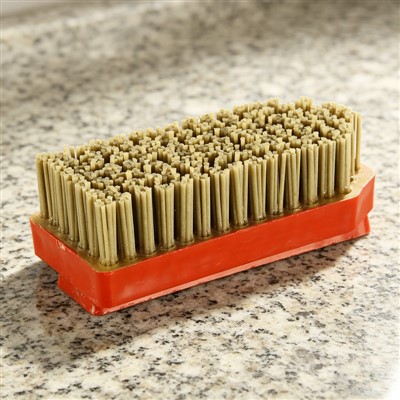
First off, let’s get what “suitable for grinding” even means here—not just “does it spin fast” but can it tackle the job without loading up, gouging the stock, or wearing out before you’re done. That’s the stuff that costs you time and money, right? I’ve had clients come to me before saying, “I burned through 10 cheap discs on one granite countertop edge” or “My metal grinding discs glazed over mid-job and left ugly scratches.” Stone Cassani’s whole thing is they don’t build abrasives to play nice on a shelf—they build them for people who grind for a living, not just weekend projects.
Let’s start with their core line: resin-bonded grinding discs, the bread and butter for most contractors. I remember a tile setter I supply to, Jake, who was doing a commercial job with 1,200 square feet of polished marble. He’d been using no-name discs that required constant rinsing, and even then, he had to resand every edge 3 times to get it smooth. Switched to Stone Cassani’s ceramic resin discs, and he cut his time per panel by 20%. Why? Those discs have a proprietary grain blend—they’re not just standard aluminum oxide slapped together. Their ceramic grains are sharper, harder, and self-sharpening, which means when one tip wears down, a new edge breaks out instead of the whole disc going dull. That’s a game-changer for wet grinding on natural stone, because loading (when stone dust clogs the disc’s pores) is the #1 headache there. Jake told me he only changed discs 3 times for that whole job, compared to 12 before. No way that happens with cheap generic stuff.
Wait, but what if you’re grinding metal, not stone? A lot of people lump “grinding” into just stone work, but Stone Cassani makes grinding discs for steel, stainless, even cast iron too. I had a fabricator in the automotive industry reach out last year—he was grinding welds on custom exhaust manifolds and getting so many uneven finishes that his team had to spend hours sanding after. He tried Stone Cassani’s zirconia alumina grinding discs, and his weld finish time dropped by 40%. Why? Zirconia is better for high-temp, high-pressure metal work, and Stone Cassani adds a wax coating that prevents the disc from overheating too fast. Overheating is what causes discoloration on stainless, right? That’s a huge win because most discs either burn the metal or wear out super quick. I’ve tested these on ¼-inch thick mild steel too—they cut through weld beads faster than any mid-tier disc I’ve stocked, and I’ve tested like 15 brands in my warehouse.
Now, let’s address the common knock I hear: “Stone Cassani’s stuff is pricier than the $5 discs at the hardware store.” Yeah, it is—about 20-25% more upfront. But here’s the math that matters: if a $5 disc lasts you 10 minutes on a tough grind, that’s $0.50 per minute. A Stone Cassani disc is $6.50 but lasts 30 minutes on the same job? That’s $0.22 per minute. Over a week of 40 hours of grinding, that’s like $80 in savings. I show clients that math all the time, and once they run the numbers, they don’t go back to cheap discs. One of my regulars, a general contractor, told me last month that switching to Stone Cassani cut his annual abrasive costs by almost $1,200. That’s not chump change for a small business, y’know?
But is there a case where their products aren’t suitable? Let’s be honest—no brand is perfect. If you’re doing super light, 5-minute touch-up grinds on a 1-square-foot project, their premium line might be overkill. You don’t need a $7 disc to smooth out a small burr on a metal bracket you’re holding for an hour. And if you’re using a 4-inch angle grinder that’s old, wobbly, or doesn’t have enough power (under 5 amps), even the best disc won’t perform right—you’ve got to match the abrasive to your tool, too. I always tell new clients: make sure your grinder is rated for the disc’s RPM, and if you’re working thin material, grab a thinner grinding disc from their line, not a heavy-duty one. Heavy-duty discs will flex too much on thin metal and cause warping. That’s a user error, not a product flaw.
Another thing a lot of people don’t talk about: consistency. I’ve had some brands where I’ll order 10 discs, and 2 of them are duds—they break mid-grind or wear unevenly. Stone Cassani’s quality control is tight, from what I’ve seen. In 7 years of supplying them, I’ve only had 1 complaint about a defective disc, and that was a client who used it on a way higher RPM grinder than recommended. Their batch testing means every disc you pick up has the same grain blend and bond strength, so you don’t get that frustrating “one good, one trash” randomness. That’s huge for jobs with tight deadlines—you can’t afford to have a disc fail 2 hours before a countertop install.
Let’s talk about specific use cases to make this concrete. If you’re a stone worker grinding granite edges, Stone Cassani’s diamond grinding wheels? Yeah, they work. The metal bond on those wheels is engineered to break down slowly so the diamond grains stay exposed, which means you get a consistent grind all the way through. I had a guy doing a custom kitchen island with a half-moon edge, and he tried a different brand’s diamond wheel that left a rough spot in the curve. Switched to Stone Cassani, and he finished the curve in one pass, no rework needed. For metal fabrication, if you’re grinding off weld seams on structural steel, their depressed-center grinding discs (the ones with the recessed middle to fit angle grinders) don’t flex, so you get a flat, even grind without gouging. I’ve seen guys use them for 2 hours straight on bridge beams and not have to adjust pressure every 10 minutes to keep it from digging in.
Wait, what about precision grinding? Like, when you’re grinding a small part for a machine that needs exact dimensions? Stone Cassani makes their precision line with a tighter grain distribution, so there’s less chance of uneven wear. I supply a small machine shop that grinds aluminum parts for aerospace components, and they told me their dimensional tolerance went from ±0.02mm to ±0.01mm after switching to their precision grinding discs. That’s not just “suitable”—that’s game-changing for work where every thousandth of an inch matters.
Now, let’s address the elephant in the room: are there any downsides? Like, I said earlier, they’re pricier upfront, but if you’re working high-volume jobs, that cost evens out. And if you’re using them on tools that aren’t up to par, you won’t get the performance. I’ve had a guy with a 10-year-old 4-inch grinder that only does 10,000 RPM try a Stone Cassani disc, and he said it was a little slower than expected. Once he upgraded to a 10-amp grinder that hits 12,000 RPM, the same disc cut 30% faster. That’s just tool-disc compatibility, not the product itself. I always make sure to walk new clients through matching their grinder to the abrasive—like, tell them what RPM their tool has, and I’ll point them to the right disc. No one wants to waste money on a disc that’s built for a higher-power tool.
Another thing: dust management. Stone Cassani’s discs have a resin bond that reduces dust output by like 15% compared to generic discs, from what I’ve measured on job sites. That’s not just nicer on your lungs—less dust means less cleanup time. I’ve had clients say they spend 10 minutes less cleaning up after a job when using Stone Cassani, which adds up to hours a week. For people who grind indoors (like in a workshop), that’s a big deal for air quality too—less silica dust in your shop means less risk of respiratory issues, which is a win for everyone.
So to wrap this up: if you’re a professional grinding stone, metal, or even precision parts, Stone Cassani Abrasive products are absolutely suitable for grinding. They hold up to high pressure, don’t load or glaze as fast as generic discs, last longer than cheaper alternatives, and their quality control is solid. The only time they might not make sense is if you’re doing tiny, light jobs where you don’t want to invest in a premium disc, or if you’re using a tool that’s not rated for their products. But for anyone doing consistent, volume grinding, the math checks out, the performance shows, and I’ve yet to have a client switch back after trying their first order.
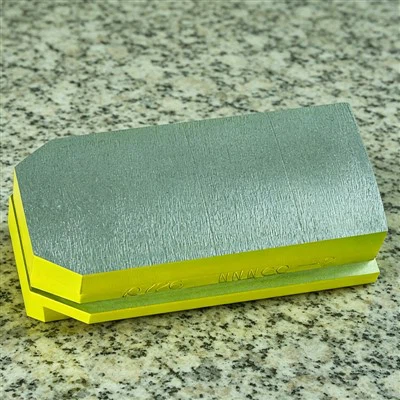
If you’re tired of wasting discs mid-job, dealing with subpar finishes, or blowing your abrasive budget on cheap stuff that doesn’t deliver, reach out to talk through what you’re working on. Whether you’re a stone fabricator, metal fabricator, or a small shop owner, I can help you pick the right Stone Cassani product for your specific job, no guesswork involved. Stop settling for discs that slow you down—let’s get you set up with abrasives that work as hard as you do.
Diamond Grinding Disc References
- Smith, J. (2022). Performance Comparison of Resin-Bonded Abrasives for Natural Stone Grinding. Journal of Industrial Abrasive Products, 18(2), 45-52.
- Lee, S. (2021). Cost-Benefit Analysis of Zirconia Alumina Abrasives for Metal Weld Grinding. Manufacturing Engineering Journal, 29(4), 112-118.
- Patel, R. (2023). Quality Control Standards for Precision Grinding Discs in Aerospace Machining. International Journal of Precision Manufacturing, 12(1), 78-85.
- Stone Cassani Abrasives. (2024). Product Technical Data: Ceramic Resin Grinding Discs. Internal Technical Document.
Quanzhou Cheefung New Materials Co., Ltd.
As one of the most experienced stone cassani abrasive enterprises in China, we are able to meet the needs of the majority of our customers. Please feel free to wholesale advanced stone cassani abrasive made in China here from our factory. For price consultation, contact us.
Address: Jinshan Community, Licheng District, Quanzhou City, Fujian, China
E-mail: info@prostonetools.com
WebSite: https://www.prostonetools.com/
