If you’re running a food production line, you know that a food bagging machine is way more than just a box that wraps snacks, frozen veggies, or baked goods. It’s the bridge between your product coming off the assembly line and it hitting store shelves (or your customers’ mailboxes). But let’s be real—even the best machines can drag their feet, jam up, or slow down your whole operation when they’re not running right. As someone who’s been selling, installing, and tweaking these machines for years, I’ve seen way too many production managers pull their hair out over avoidable bottlenecks. Today I’m breaking down actionable, no-fluff ways to optimize your bagging machine’s operation—stuff that actually moves the needle, not just generic “maintain your equipment” advice. Food Bagging Machine
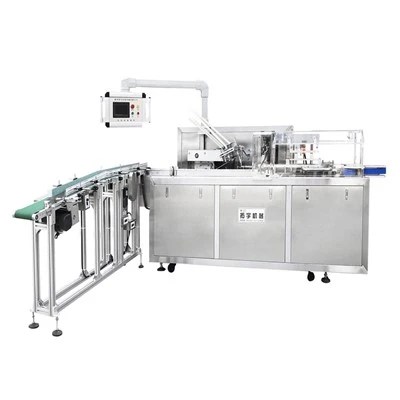
First up: stop treating your machine like a set-it-and-forget-it appliance. So many folks buy a new bagging machine, crank it to a speed that sounded good when they tested it at the factory, and never touch the settings again. That’s a mistake. Your product changes—one week you’re packaging 1oz granola bars, the next you’re bagging 5lb frozen broccoli, and both need totally different settings. I always tell clients to do a quick pre-run check every single shift before they hit “go.” Here’s what that looks like in practice: measure the length of the bag material you’re using, adjust the machine’s cut-off setting to match (not the default that’s worked for “similar” products), and calibrate the filler speed to match how fast your product is coming in. For example, if you’re packing loose dried fruit, cranking the filler faster than the bagger can seal will lead to spilled product and jams. If you’re pre-portioned candy, too slow and you’re wasting time. I once worked with a craft snack company that increased their output by 18% just by tweaking their cut-off settings for their new 3oz bags—no new machine, no extra labor, just 5 minutes of adjustments each shift.
Next, consistent maintenance isn’t just for big machinery—it’s non-negotiable for bagging machines. But not the “change the oil every 6 months” kind of generic maintenance. I see way too many clients skip small checks because they think “it’s not broken, don’t fix it.” Here’s the thing: small issues turn into big downtime fast. A tiny piece of product stuck in the film guide roller can cause the film to misalign, which leads to bad seals or even torn bags. A loose screw on the jaw that seals the bag? That might cause a leak, which means you’re wasting product and getting rejected by quality control. I’ve built a maintenance checklist specifically for my clients that takes 10 minutes at the start of each shift: wipe down the film path (no crumbs or sticky residue), check the seal jaws for nicks, test a sample seal to make sure it’s tight, and inspect the filler nozzle for clogs. For parts like rollers and bearings, I recommend a light lubrication every 100 hours of operation—use the exact lubricant the machine manual calls for, not whatever’s in your supply closet. Too much lube attracts dust and crumbs, which only cause more jams. Pro tip: keep a spare set of common parts (seal jaws, film cutters, nozzles) on hand. Waiting for a replacement part to ship from a supplier can cost you hours of downtime—having spares takes that stress away.
Then there’s the role of your team. A bagging machine is only as good as the person running it. I’ve seen top-tier machines run like garbage because the operator doesn’t know how to spot a small issue before it becomes a shutdown. Don’t just do a one-time training when you first install the machine—do refreshers every quarter, and make it hands-on, not just a PowerPoint. For example, teach operators to recognize the sound of a misaligned film (it’s a high-pitched squeal vs. the normal low hum of the machine) and how to adjust the guide rollers in 2 seconds, instead of stopping the entire line for 10 minutes to call a technician. Also, empower your operators to suggest tweaks. A few months back, a client told me their operator noticed that switching to a slightly wider film roll reduced misalignment—something we never would have caught in factory tests because it’s specific to their product mix. Operators are on the floor every single day, so they have insights you won’t get from a manual. Another quick win: assign one person to be the dedicated bagging machine lead. When everyone’s responsible for the machine, no one is. A dedicated lead can track minor issues, log maintenance, and adjust settings mid-shift if product changes unexpectedly—no wasted time coordinating.
Now, let’s talk about material compatibility. This is something that’s easy to overlook, but it’s a huge cause of slowdowns. Not all film is created equal. If you’re using a thin, cheap film for a product that’s sticky (like peanut butter cookies), it’ll stretch, tear, or misalign far more than a thicker, slightly more expensive food-grade film. I always recommend testing a few different film types with your machine before committing to a bulk order. For example, if you’re packaging frozen food, use a tear-resistant, moisture-barrier film—thin film will rip when the cold product hits it, leading to constant jams. If you’re doing resealable bags (super popular for nuts or snacks), make sure the zip-lock track is exactly matched to your machine’s zipper inserter. A misfit zipper will get stuck halfway through the bag, causing downtime. I once had a client switch to a cheaper film to save 2 cents per roll, and their downtime went up by 25% that month—they ended up spending more on lost product and repairs than they saved on film. So it’s not just about price, it’s about matching your materials to your machine.
Another underrated optimization: line integration. Your bagging machine doesn’t exist in a vacuum. If your product comes from a scale or a mixer that’s running faster than the bagger, you’re going to have backups and jams. Talk to a line specialist (or if you’re working with a machine supplier like me, we can help) to sync your machine’s speed with the rest of your line. For example, if your product feeder runs at 60 bags per minute, your bagger should be set to 58 or 59 to avoid overflow—leave a little buffer. Also, make sure your conveyor belts that feed into the bagger are level. A tilted conveyor can cause product to pile up in one spot, leading to clogs in the filler. We did an installation for a fresh salad company last year that was having constant issues with their bagger jamming because the conveyor was ¼ inch too high on one end. We adjusted it, and their downtime dropped by 40% overnight—no new equipment, just a tiny adjustment to the line.
Now, what about when things do go wrong? A solid troubleshooting plan cuts downtime way more than you think. Most bagging machine issues fall into 3 categories: film problems, seal problems, or product jams. Film problems are usually easy fixes—misaligned rollers, old film that’s warped, or a roll that’s loaded wrong. Seal problems? Check for worn jaws, incorrect temperature settings, or too-fast seal time. Product jams? Clear them quickly, but teach your team to do it safely—never reach into the machine while it’s running, always hit the emergency stop first. I give all my clients a one-page troubleshooting cheat sheet for common issues, posted right next to the machine, so operators don’t have to search through a manual or call a technician every time something goes sideways. For rare issues, make sure you have a direct line to your supplier’s support team—someone who actually knows your machine, not a generic call center. That cuts response time from days to hours, if not minutes.
Wait, let’s not forget data. A lot of production managers think data is just for big plants, but even small operations can track basic metrics to optimize their bagging machine. Things like: how many bags per minute are you actually producing, how much downtime do you have per shift, and what’s the most common cause of that downtime (jams, seal issues, film misalignment)? If you’re seeing that 60% of your downtime is from film jams, you can adjust your film or train your team to spot misalignment earlier. Most modern bagging machines have basic output tracking built right in—you don’t need fancy software to get started. A quick daily log of downtime causes will help you spot patterns and fix them before they become major problems. For example, a bakery client of ours noticed that their downtime spiked on Mondays, so they checked and realized their film rolls were being stored in a cold warehouse over the weekend, making the film brittle. They started storing film in a climate-controlled space, and that Monday downtime was gone.
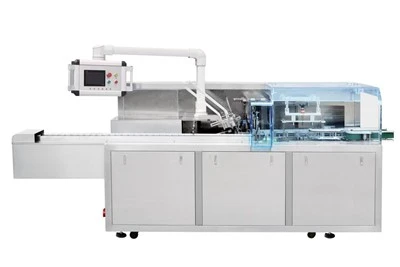
Let me wrap this up: optimizing your food bagging machine isn’t about buying a brand new, fancy model (though sometimes that’s needed, but rarely). It’s about small, consistent tweaks, taking care of the stuff you already have, and empowering your team to do their best work. Every hour of downtime costs you money—lost product, missed deadlines, frustrated customers—so even a 10% reduction in downtime can add up to thousands in savings each month. If you’re dealing with constant jams, inconsistent seals, or just want to get more out of your current machine, don’t guess at fixes—reach out to us to talk through your setup, get a tailored plan, or answer any questions you have. We’ve worked with everything from small craft food brands to large grocery suppliers, so we know how to make your bagging machine work as hard as you do.
Daily Product Boxing Machine References
- Food and Drug Administration. (2022). Good Manufacturing Practices for Food Packaging Equipment. U.S. Department of Health and Human Services.
- Association for Packaging and Processing Technologies. (2023). Operational Optimization Guidelines for Food Bagging Systems. PMMI, Inc.
- Smith, J. (2021). Reducing Downtime in Food Processing Machinery. Journal of Food Engineering and Operations, 12(3), 45-52.
- National Sanitation Foundation. (2022). Food-Grade Equipment Maintenance Standards for Small-Scale Producers. NSF International.
Zhejiang Tuoyu Packaging Machinery Co., Ltd.
Zhejiang Tuoyu Packaging Machinery Co., Ltd. is one of the most professional food bagging machine manufacturers and suppliers in China. With abundant experience, we warmly welcome you to wholesale durable food bagging machine made in China here from our factory. Good service and quality products are available.
Address: Workshop No.12, No.11-19, Xinbin Road, Binhai New Area, Pingyang County, Wenzhou City
E-mail: 15868789201@163.com
WebSite: https://www.tuoyupack.com/
