If you’ve ever stood next to a running milling machine, you know it’s more than just a big rotating cutter carving metal or grain into shape. Every auxiliary part—those small, often overlooked components that keep the mill running smoothly, safely, and consistently—depends on materials that can take a beating, resist corrosion, and hold up under temperatures and pressures that would destroy regular hardware. As a mill and mill auxiliary parts supplier, I’ve spent 15 years matching the right material to the right job, and I’ve seen firsthand how a material choice that seems trivial at first can shut down a mill line for days. Let’s break down the most common materials we use, why we choose them, and what makes each one indispensable for different mill applications. Mill and Mill Auxiliary Parts
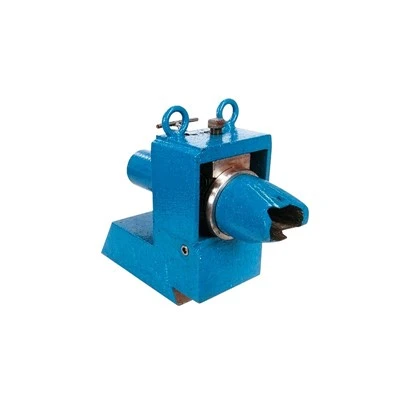
First, let’s set a quick context: mill auxiliary parts aren’t one-size-fits-all. A part used in a grain mill that’s handling soft, dry corn is far different from a part in a steel rolling mill that’s enduring molten metal splatter and 1,000°F heat. Even within the same mill type, a part that sits in a clean, climate-controlled motor housing has different needs than one that’s submerged in slurry or exposed to outdoor moisture. With that in mind, here are the materials we rely on most, and the parts they power.
Carbon steel is the workhorse of almost every mill line, and for good reason. It’s affordable, easy to machine, and has exceptional tensile strength—meaning it can pull and hold heavy loads without bending, which is non-negotiable for auxiliary parts like gear housings, shaft couplings, and mill bases. Wait, not all carbon steel is the same, though. We stick to medium-carbon steel (around 0.3 to 0.5% carbon) for most structural auxiliary parts because low-carbon steel is too soft, and high-carbon steel is brittle, so it cracks under sudden impacts. For example, the shaft collars that hold a milling cutter in place? They’re made from 1045 carbon steel, a grade that balances strength and machinability. We also use carbon steel for brackets, conveyor guides, and the frames that support auxiliary motors. The catch with carbon steel? It rusts when exposed to moisture. That’s why for parts that touch liquid (like water used to cool mill bearings, or slurry in mining mills), we either coat them with a zinc galvanized layer or paint them with a high-temperature epoxy. I once learned this the hard way early in my career: we supplied a set of carbon steel conveyor idlers to a small grain mill that had a leaky water line. Within six months, the idlers rusted through, dropped a grain shipment, and shut the mill down for 3 days. We switched to galvanized carbon steel for those parts after that—and never had a repeat issue.
Next up: alloy steels. When carbon steel isn’t tough enough, we turn to alloy steels, which mix carbon with other elements like chromium, nickel, manganese, or molybdenum to boost specific properties. For mill auxiliary parts, two alloy steels are standouts: chromium alloy steel and high-strength low-alloy (HSLA) steel. Chromium alloy steel is perfect for parts that need both strength and wear resistance, like the gears that transfer power from a mill’s main motor to its cutting heads, or the bearings that support heavy rotating shafts. Chromium adds hardness to the steel, so it resists the constant rubbing and friction of moving parts. We often use 4140 chromium molybdenum steel for high-stress parts like power couplings. That steel has a tensile strength 50% higher than standard carbon steel, so it can handle the sudden jolts and heavy torque that come with mill operation without snapping. HSLA steel, on the other hand, is lighter than regular carbon steel but almost as strong, which makes it ideal for auxiliary parts that need to be mounted in tight spaces or moved frequently—like motor mounts for portable milling units, or guard rails that protect workers from rotating parts. The only downside to alloy steels? They’re more expensive than carbon steel, so we only use them where the extra strength is actually needed, not just as a default.
For parts that need to resist rust, corrosion, or extreme temperatures, stainless steel is non-negotiable. It’s not just for kitchen appliances—mill auxiliary parts that handle food-grade materials, chemicals, or wet environments rely on stainless steel. The most common grade we use is 304 stainless steel, which has enough chromium (around 18%) to form a protective oxide layer that prevents rust, and nickel (around 8%) to add toughness. In grain mills, for example, auger flights that carry flour, corn, or wheat are made from 304 stainless steel. If we used carbon steel there, rust would contaminate the food product, which is a non-starter for food and beverage mills. We also use 304 stainless steel for valve parts in water cooling systems, and sensor housings that track mill speed or temperature—those sensors need to stay accurate, and rust would throw off their readings. For parts that face even harsher conditions, like parts in chemical milling mills or areas exposed to saltwater (offshore mining mills, for example), we use 316 stainless steel. It adds molybdenum, which makes it resistant to pitting corrosion from salt or acidic chemicals. I’ve seen 316 stainless steel parts hold up for 10 years in offshore mill environments, while 304 parts would rust through in 2. That difference in longevity is why we never cut corners on stainless steel grades for corrosive applications.
When wear resistance is the top priority—like parts that rub against abrasive materials, whether that’s ore in a mining mill or grain husks in a rice mill—we turn to cast iron and hard chromium plating. Gray cast iron is a go-to for parts like mill tables and pulley wheels, because it has a unique graphite structure that absorbs vibration. Milling machines vibrate a lot when they run, and if the auxiliary parts don’t dampen that vibration, the cut can be uneven, or the machine can wear out faster. Gray cast iron is also very affordable, which makes it ideal for large structural auxiliary parts. For even more wear resistance, we use white cast iron, which is harder and more brittle, for parts like pump impellers that handle abrasive slurry. The brittleness means it can crack under extreme impact, but in low-shock applications, it outlasts carbon steel by 3 to 5 times. Another option for wear-resistant parts is hard chromium plating, which we apply to metal parts like guide rails and bearing surfaces. The plating layer is only a few thousandths of an inch thick, but it’s extremely hard (harder than most steels) and resists scratching and friction. We put hard chromium plating on the reciprocating bars in small grain mills, which move back and forth to sift grain—those bars rub against each other every few seconds, and the chromium plating keeps them from wearing down even after 24/7 operation. If we didn’t plate them, they’d be useless in a year; with plating, they last 7 years or more.
For non-metallic auxiliary parts, we use materials like nylon, polyethylene (PE), and rubber, usually for parts that need to be lightweight, non-conductive, or resistant to chemicals. Nylon is great for small parts like gear teeth in small mills, or bushings that reduce friction between two metal parts. Unlike metal, nylon doesn’t corrode, and it self-lubricates a little, so it doesn’t need constant oiling—perfect for hard-to-reach auxiliary parts. We use high-density polyethylene (HDPE) for conveyor belts and chute liners in grain and food mills, because it’s non-toxic, easy to clean, and resistant to the acids in food products. Rubber is another staple for gaskets, seals, and vibration isolators. The gaskets that seal a mill’s oil reservoirs to keep dirt and water out? They’re made from nitrile rubber, which is resistant to oil and petroleum products. The vibration isolators that mount auxiliary motors to a mill’s frame? They’re made from neoprene rubber, which dampens noise and prevents the motor’s vibration from transferring to other parts of the mill. I once had a client who tried to use a nylon seal instead of rubber for a sugar mill’s pump; within a month, the sugar syrup ate through the nylon, and the pump leaked all over the mill floor. We switched him to a fluorocarbon rubber seal, which resists sugar and other corrosive foods, and he hasn’t had a leak since. That’s the kind of small material choice that makes all the difference for our clients.
Now, it’s important to note that many mill auxiliary parts use a combination of these materials, not just one. For example, a gearbox for a steel mill might have a 4140 alloy steel gear (for strength and wear resistance), a 304 stainless steel housing (for corrosion resistance from coolant), and a nylon bushing (for low friction). The best suppliers know how to mix and match materials to get the right balance of performance, cost, and longevity for each application.

At the end of the day, the right material for a mill auxiliary part isn’t just about what’s hard or cheap. It’s about understanding the specific environment your mill runs in—what materials it processes, how often it runs, what kind of temperatures and moisture it’s exposed to—and matching that to a material that can keep up. If you’re looking for reliable mill auxiliary parts that are built to last, we’re here to help. We work with mills of all sizes, from small grain operations to large steel rolling facilities, and we can help you pick the right materials for your unique needs. Reach out to us to discuss your requirements, get a quote, or ask questions about material choices for your mill parts.
Conveying and Straightening Table Parts References
- Degarmo, E. P., Black, J. T., & Kohser, R. A. (2011). Materials and Processes in Manufacturing. John Wiley & Sons.
- Kalpakjian, S., & Schmid, S. R. (2014). Manufacturing Engineering and Technology. Pearson.
- ASM International. (2006). Properties and Selection: Irons, Steels, and High-Performance Alloys. ASM Handbook, Vol. 1.
- Product Specification: 304 Stainless Steel for Food-Grade Equipment, ASTM A240/A240M.
- Product Specification: 4140 Alloy Steel for Structural Parts, SAE International J412.
Jingjiang Jingyi Metallurgical Technology Co., Ltd.
With abundant experience, we are one of the most reliable mill and mill auxiliary parts manufacturers and suppliers in China. We warmly welcome you to wholesale customized mill and mill auxiliary parts made in China here from our factory. If you have any enquiry about quotation, please feel free to email us.
Address: No.5 Jianghe Road, Xinqiao Town, Jingjiang City, Jiangsu Province
E-mail: Lcbin1974@163.com
WebSite: https://www.jymetallurgical.com/
