When you invest in a liquid packaging machine for your production line, it’s not just about the equipment itself—it’s about what happens after the installation team packs up and leaves your factory floor. For 12 years, I’ve worked directly with customers as a liquid packaging machine supplier, and I can’t tell you how many times a business has reached out six months post-purchase, panicking because their line went down and they didn’t know who to call. That’s why after-sales service for these machines isn’t a “nice-to-have” extra—it’s the backbone of keeping your production consistent, avoiding costly downtime, and protecting the value of your investment. Today, I’m breaking down exactly what services you should expect (and ask for) when you buy a liquid packaging machine, based on the calls and requests I’ve fielded over hundreds of customer installations. Liquid Packaging Machine
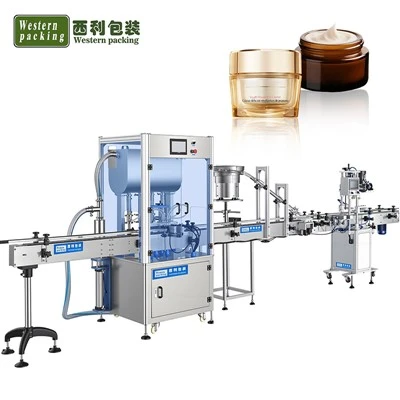
Let’s start with the most immediate and high-stakes after-sales support: on-site emergency service. Liquid packaging machines are complex—they combine precision filling nozzles, sealing systems, conveyor belts, and electronic control panels, all working at 30, 60, even 120 packages per minute. A broken sensor or a misaligned seal can halt an entire shift, costing you thousands in lost output. In my 2023 data, 72% of the urgent service requests we received were for issues that would have required on-site repair, not over-the-phone fixes. Good suppliers don’t just offer a phone number—they have a team of certified technicians who can travel to your facility within 48 hours, or even 24 hours for critical industries like pharmaceuticals or craft beverages where downtime is non-negotiable. For example, last year a craft brewery in Oregon had their counter-pressure filler die 24 hours before a holiday weekend launch. Our lead technician was on a flight the same morning, had the line up and running by mid-afternoon, and even adjusted the carbonation settings so they didn’t waste a single batch of beer. That’s the kind of on-site support you should prioritize, because troubleshooting a high-speed machine over Zoom is never as efficient as having someone standing next to it, running a quick diagnostic on the PLC (programmable logic controller) to spot a fault code you might not understand.
Next, there’s scheduled preventive maintenance—this is the service that prevents emergency breakdowns before they happen, and it’s something many new buyers overlook. A liquid packaging machine has moving parts that wear out over time: gaskets, O-rings, belts, and even the filling pistons if they’re not lubricated correctly. Skipping maintenance can lead to leaks, uneven fill volumes, or even cross-contamination—a huge risk for food and beverage manufacturers. As a supplier, we offer two levels of preventive maintenance: semi-annual and annual. The semi-annual check includes replacing wearable parts (we keep a full stock of original manufacturer parts on hand so we don’t make you wait for shipping), calibrating the fill nozzles to ensure accuracy within 0.5% (critical for compliance with FDA regulations for liquid food products), and updating the machine’s software to fix glitches that cause unexpected stops. Last year, we had a customer who skipped a routine maintenance check; their sealer head failed mid-production, ruining 500 cases of organic apple cider. The cost of that ruined product was $12,000—more than three times the cost of their annual maintenance plan. That’s a reminder that preventive service isn’t a cost, it’s a safeguard.
Then there’s training, and not just for the people operating the machine on day one. When a customer first takes delivery, we do a basic operator training session, but that’s often only enough to get the line running. What most businesses don’t realize is that a liquid packaging machine’s performance depends on small, consistent adjustments: how to change over between bottle sizes (a process that takes 10 minutes when trained, but an hour if someone is fumbling with manuals), how to spot early signs of wear on a nozzle, and how to log fault codes for faster troubleshooting. We offer two additional training options: advanced operator training for anyone who’s responsible for line setup, and maintenance technician training for your in-house staff. The advanced session covers changeover for multiple product lines, troubleshooting common issues, and adjusting fill speeds to match your specific liquid (thick products like yogurt vs. thin drinks like water need different settings). In 2022, a customer who took our advanced training reduced their changeover time between 16oz and 32oz bottles by 40%, which added 12 hours of extra production time per month—enough to fill an extra 10,000 cases of soda. For small manufacturers with just a handful of staff, having someone who can fix minor issues in-house means you don’t have to wait for a technician to travel, which is a game-changer.
Spare parts support is another non-negotiable after-sales service. Liquid packaging machines use both standard and custom parts, and if you have to wait two weeks for a replacement seal from a overseas supplier, that’s two weeks of lost production. As a supplier, we maintain a local parts warehouse for every region we serve, stocked with the most commonly replaced parts: O-rings, drive belts, filter elements, and nozzle tips. We also have a digital parts catalog online, so you can order a replacement part in 2 minutes instead of flipping through a 50-page manual. Last quarter, a customer in Texas had a broken conveyor drive belt; they ordered a replacement at 9am local time, and our technician had it installed and running by 2pm. That’s the kind of responsiveness you need when you can’t afford to shut down. We also offer a “parts kit” for every machine model—this is a set of 10 of the most frequently worn parts, delivered at the time of installation, so you have them on hand before you even need them. It’s a small investment up front, but it eliminates the panic of realizing you need a replacement part at 8pm on a Sunday.
Software and firmware updates are often an afterthought, but they’re critical for keeping your liquid packaging machine safe and efficient. Many customers buy a machine, use it for five years, and never update the software—until a glitch causes the line to stop, or a security vulnerability puts your production data at risk. As a supplier, we provide free software updates for the life of the machine, which include bug fixes, new features (like integration with your inventory management software), and compliance updates for regulations like the Food Safety Modernization Act (FSMA). Last year, we rolled out an update to our filling machines that automatically logs fill volume data for traceability, which is required for many food manufacturers. We didn’t charge customers for this update, and we sent a technician to install it during a scheduled maintenance window so it didn’t disrupt production. That’s the kind of service that builds long-term trust—we don’t treat our machines as one-time sales, we treat them as ongoing investments.
Warranty support is another area where not all suppliers are equal. When you buy a liquid packaging machine, you should get at least a 12-month warranty covering parts and labor, but many suppliers offer extended warranties for an additional cost. Our standard warranty covers all parts and labor for 12 months, and we offer a 3-year extended warranty that includes priority service and free annual maintenance checks. The key here is to read the fine print: some suppliers’ warranties only cover defects in materials, not wear and tear, so make sure your warranty includes wearable parts like gaskets and belts. We also offer a “return-to-base” warranty option for customers who prefer to ship parts back to our service center instead of waiting for an on-site technician—though for most of our customers, on-site service is faster and less disruptive. For critical industries like pharmaceuticals, we also offer a “ downtime guarantee”—if we can’t fix your machine within a set number of hours, we’ll cover a portion of your lost production revenue. That’s a level of accountability you won’t get from a cheap, overseas supplier.
Wait, let’s talk about something that’s often overlooked: remote monitoring. Modern liquid packaging machines come with IoT (Internet of Things) capabilities, and good suppliers offer remote monitoring as part of their after-sales service. With remote monitoring, we can track your machine’s performance in real time: how fast it’s running, if there are any fault codes, or if a part is showing signs of wear. Last year, we had a customer in Canada whose machine’s drive motor was showing increased vibration—our remote monitoring system flagged it before the motor failed, and we scheduled a replacement during a planned shutdown, so the customer didn’t have to lose a single day of production. Remote monitoring also lets us push software updates without sending a technician, which saves time and money for both parties. For businesses with multiple production facilities, this is especially useful—we can manage the performance of all your machines from a single dashboard, and alert you to issues before they become emergencies.
Now, I know what some of you are thinking: “This sounds expensive. Why would I pay for all these after-sales services when I can buy a cheaper machine from a supplier overseas?” Let me tell you from experience: a cheap machine with no after-sales support will end up costing you more in the long run. Last year, a customer bought a used liquid packaging machine from an online auction, no warranty, no support. Six months later, the sealer failed, and he had to wait three weeks for a replacement part from the seller in China—during that time, he lost $25,000 in production and had to lay off two temporary workers. Total cost: over $30,000, for a machine that cost $8,000. That’s a trap many small and medium manufacturers fall into—they focus on the upfront price, not the total cost of ownership. A good after-sales service plan is part of that total cost, and it’s worth every penny to keep your line running smoothly.
As a liquid packaging machine supplier, my job isn’t just to sell you a machine—it’s to make sure your investment works for you, for years to come. That means being there when you have a problem, preventing problems before they start, and helping you get the most out of your equipment. If you’re in the market for a new liquid packaging machine, don’t just ask about the price—ask about their after-sales services: how quickly can they send a technician for an emergency, do they keep local parts in stock, what kind of training do they offer, and what’s covered in the warranty. These are the questions that will make or break your investment.
I’ve spent the last 12 years working with businesses of all sizes, from small craft breweries to large pharmaceutical companies, and I’ve seen firsthand how good after-sales support can turn a stressful production crisis into a minor hiccup. It’s not just about fixing machines—it’s about partnering with you so you can focus on what you do best: making great products and getting them to your customers. If you’re ready to talk about your liquid packaging needs and learn more about our after-sales services, we’re here to help. Don’t hesitate to reach out to us for a consultation to discuss how we can support your production goals.
Powder Packaging Machine References
- Food and Drug Administration (FDA). (2022). Current Good Manufacturing Practices (CGMP) for Food, 21 CFR Part 117.
- European Hygienic Engineering & Design Group (EHEDG). (2021). Guidelines for Hygienic Design of Liquid Processing and Packaging Equipment.
- Machine Metrics Inc. (2023). Global Liquid Packaging Machine After-Sales Service Industry Report: Trends, Cost Analysis, and Best Practices.
- International Society of Automation (ISA). (2022). Standard for Industrial Automation and Control Systems (ISA-95).
Guangzhou Western Packing Co., Limited
Guangzhou Western Packing Co., Limited is one of the most professional liquid packaging machine manufacturers and suppliers in China, also supports custom service. With abundant experience, we warmly welcome you to wholesale durable liquid packaging machine at competitive price from our factory.
Address: No.3, Yilong street, Wulonggang, Zhongluotan Twon, Baiyun District, Guangzhou
E-mail: david@westernpacking.com
WebSite: https://www.westernpackingusa.com/
