Hey everyone, and welcome back to the blog – it’s great to have you here! I’m Alex, and I’ve spent the last five years working hands-on with cavalry twill as a supplier, so I get asked this question all the time: Does cavalry twill wrinkle easily? It’s such a common one, especially from folks who are either new to working with this fabric or have had less-than-great experiences with other heavy-duty textiles. Today, I want to break this down for you in plain, no-jargon terms – not because I’m trying to be a know-it-all, but because I’ve seen how misinformation about cavalry twill can mess up projects, clothing choices, or even the fabrics people choose for workwear. Let’s dive in. Cavalry Twill

First off, let’s get the basics straight for anyone who’s not super familiar with cavalry twill. For those who have bought fabrics from me before, this is the stuff we’re always restocking when workwear brands, uniform makers, and even vintage clothing enthusiasts come knocking. It’s a heavy, twill-woven fabric – usually made from 100% cotton, though sometimes it’s blended with polyester these days, depending on what the customer needs. The twill weave is key here; it’s that diagonal pattern you can see on the surface, right? Unlike plain weave, which is tight and flat, twill uses interlacing that creates those angled ridges, and for cavalry twill, the weave is extra dense. Like, it’s not the lightweight twill you might use for a casual shirt – this is thick, robust, built to take a beating. That’s why it’s been around for centuries, originally made for military cavalry uniforms back in the day (hence the name).
Now, back to the big question: wrinkles. Let me start with the short answer because I know you’re probably scrolling through to get to the point. No, cavalry twill doesn’t wrinkle easily – at least not when compared to most other common fabrics. But that’s not the whole story. How it performs depends on a bunch of stuff: what it’s made of, how it’s finished, how it’s stored, and how you use it. I’ve seen perfectly good cavalry twill look wrinkled because someone didn’t know how to take care of it, and I’ve seen cheaper, knockoff versions wrinkle like crazy just sitting on a shelf. Let’s get into the details so you don’t make those mistakes.
Let’s talk about the fiber content first, because that’s a game-changer. 100% cotton cavalry twill is the OG version, and it’s way more wrinkle-resistant than regular cotton. Wait, why? Because cotton fibers have natural elasticity – they stretch and bend, but they also tend to “remember” their shape a little, especially when they’re woven tightly. The dense twill weave of cavalry twill means the fibers are packed so close together that there’s less room for movement, so when you fold it or crumple it, the creases don’t set in as easily. I always tell my customers that if they’re making work pants that someone’s going to wear for 10 hours straight, 100% cotton cavalry twill is the way to go because it doesn’t bunch up into deep wrinkles as quickly as, say, a lighter cotton poplin or even a standard denim. Denim is another heavy fabric, right? But I’ve tested it back to back with cavalry twill, and denim wrinkles way worse. You can put a pair of denim jeans on for a day of construction work and they’ll have creases at the knees that are hard to get out. With cavalry twill? Those creases barely show up, and if you hang them up at the end of the day, most of them fall out on their own. That’s a huge win for people who don’t have time to iron every day.
But here’s the thing – not all cavalry twill is 100% cotton. A lot of suppliers (and I’ve seen this a lot, especially with cheaper imports) will blend it with polyester to cut costs. Now, polyester is a synthetic fiber, and synthetic fabrics are generally less prone to wrinkles because they don’t absorb moisture the way natural fibers do. Wait, so does that mean a polyester-cotton blend cavalry twill is even better? Maybe, but there’s a catch. The blend can make the fabric feel stiffer, and if the ratio is off – like more than 50% polyester – it loses that breathability that makes 100% cotton cavalry twill so popular for warm weather. Also, some cheap blends use low-quality polyester that can pill over time, which is a different problem, but it’s not about wrinkles. The key takeaway here: the fiber content plays a role, but the dense weave is the main reason cavalry twill resists wrinkles. Even a lower-quality cavalry twill that’s loosely woven will wrinkle more than a high-quality, tightly woven version, no matter what it’s made of.
Next up, the finishing process. This is something that most people (and even some suppliers) don’t talk about, but it makes a massive difference. When I send out cavalry twill from my warehouse, it goes through a simple, durable press finish – not the harsh kind that chemicals out the fabric, but a light one that helps set the weave and prevent creases from settling. I once had a customer who ordered a bulk roll of unfinishing cavalry twill (they wanted to dye it themselves for vintage-style work jackets) and they emailed me a month later saying it wrinkled way more than what I usually send. Turns out, they skipped the finishing step, so the weave wasn’t “set” properly. Those loose fibers and gaps between the threads mean creases can form much easier. So if you’re buying from a supplier that doesn’t do any finishing, keep that in mind – you’ll have to do the ironing or steaming yourself, or have it finished once you get the fabric.
Now, let’s be real – no fabric is completely wrinkle-proof. Even cavalry twill will wrinkle if you treat it like a piece of paper. If you crumple it up and stuff it in a backpack for 12 hours, sure, it’ll have some creases. But here’s where cavalry twill shines: those creases are almost always surface-level. You don’t have to drag out an iron for an hour to fix them. A quick steam from a handheld steamer, or even hanging it up in a steamy bathroom after a shower, and most of the wrinkles will disappear. I have a pair of cavalry twill pants that I wear on road trips for work – I stuff them in my carry-on backpack for 6 hours, and when I pull them out, I just hang them in the hotel bathroom, turn on the shower, and by morning, they’re good as new. That’s way different than, say, a linen shirt, which looks like a crumpled ball no matter what you do.
I also want to address some common myths I hear all the time. First myth: “All heavy fabrics don’t wrinkle.” No way. I’ve worked with heavy wool fabrics before, and wool can wrinkle super easily, especially if it’s not a tight weave. Or heavy rayon – that stuff wrinkles like crazy even if it’s thick. Second myth: “If it doesn’t wrinkle easily, it’s not real cavalry twill.” That’s not true at all. The original cavalry twill from the 1800s was even heavier than what we sell now, and it was designed to hold its shape because cavalry officers needed uniforms that looked neat on horseback, even after a long ride. The dense weave was intentional for that, so the wrinkle resistance is part of what makes it real cavalry twill, not a knockoff.
Wait, let’s talk about use cases, because that’s where this matters most. If you’re a brand making workwear – think construction pants, mechanic shirts, farm uniforms – cavalry twill’s wrinkle resistance is a huge selling point. Your customers don’t want to show up to a job site looking like they slept in their clothes because their pants are covered in deep creases. I’ve had so many workwear clients tell me that switching to cavalry twill from cotton canvas reduced their returns by 20% because customers were happier with how their clothes looked all day. Canvas is another old workhorse fabric, right? But canvas wrinkles way more than cavalry twill, especially after a few washes. Over time, canvas develops permanent creases, while cavalry twill stays looking smooth even after dozens of washes. That’s a big difference for long-lasting apparel.
Or if you’re a designer making outerwear – like a heavy chore coat or a jacket for cold weather – cavalry twill’s wrinkle resistance is perfect. You don’t want a coat that looks messy after one wear, and cavalry twill holds its shape much better than other heavy fabrics. I had a client who made limited-edition chore coats a couple years back, and they specifically picked cavalry twill because they wanted the coats to look crisp even when people wore them hiking or doing outdoor activities. They sold out in three weeks, and the reviews specifically mentioned how the coats stayed neat even after long days outside.
But let’s not forget about the downsides, because I’m not here to sugarcoat things. Cavalry twill is thicker and stiffer than many other fabrics, so if you’re making something that needs to be soft and drapey (like a dress or a blazer that needs to have a flowy silhouette), cavalry twill might not be the right pick. Its stiffness can make it look structured, which is great for workwear, but not so great for something that needs to hang loosely. And even though it doesn’t wrinkle easily, it’s not unwrinkleable. If you leave a pile of cavalry twill crumpled in a corner for months, you might get some deep creases that take a little more work to get out. But that’s true of almost any fabric – I once left a linen tablecloth crumpled under a couch for a year, and the creases never came out, even after ironing. So it’s not a flaw specific to cavalry twill.
Another thing to mention is care. How you wash and dry cavalry twill affects how well it resists wrinkles. I always recommend washing it on a gentle cycle in cold water, and hanging it to dry instead of putting it in the dryer. If you throw it in the dryer on high heat, it can shrink, and that shrinkage can cause more wrinkles because the fabric becomes tighter and the fibers bunch up. If you do need to use the dryer, take it out while it’s still slightly damp and hang it up to finish drying – that way, you avoid deep set-in wrinkles. And if you do get a crease that won’t come out with steam, a quick iron on low heat (no steam, unless it’s a handheld steamer – regular iron with steam can sometimes leave water marks on cotton cavalry twill) will fix it in 30 seconds.
I’ve also gotten questions about vintage cavalry twill – like, if you buy an old pair of cavalry twill pants from a thrift store, will they wrinkle? Most vintage cavalry twill is 100% cotton, tightly woven, and well-made, so they actually wrinkle less than a lot of new cavalry twill, because the weave has broken in a little and become more flexible, but still dense. I have a pair of vintage cavalry twill work pants from the 1950s that I wear on casual days, and they barely have any wrinkles even after a full day of running errands. The only time they get creases is when I fold them and leave them in a drawer for a week, but even that goes away when I hang them up for an hour.
Now, let’s address why some people think cavalry twill wrinkles easily. A lot of the time, it’s because they’re working with low-quality, cheap cavalry twill that’s loosely woven, or a blended fabric that uses a lot of low-quality polyester, or they’re not taking care of it properly. I’ve had a customer email me last month saying their “cavalry twill pants” (they bought them from a big-box store) were wrinkling like crazy, and when I looked at the fabric, it was a thin, loosely woven twill that barely even qualified as cavalry twill – it was just marketing. That’s the problem with mass-produced fabrics; companies slap the name “cavalry twill” on anything heavy and diagonal-weave, but they skip the dense weave and finishing that actually makes it resist wrinkles. So if you’re buying from a random supplier that doesn’t know the difference between quality and junk, you’ll get bad results. But if you get real, high-quality cavalry twill from a reputable source (looking at you, folks who work with me), the wrinkle resistance is one of its biggest perks.
Wait, let’s wrap this up with a clear, actionable takeaway, because I know you’re here to make a decision about fabric, workwear, or whatever project you’re tackling. If wrinkle resistance is a top priority for you – whether you’re making apparel that needs to look neat all day, or a fabric that’s going to be used in settings where wrinkles will be a hassle – cavalry twill is a solid choice. It’s not the most wrinkle-resistant fabric out there (synthetic blends with a lot of polyester or nylon are better), but for natural fibers, it’s one of the best. The dense twill weave is the main factor here, so if you’re buying, make sure the weave is tight – you should barely be able to see the gaps between the diagonal ridges when you hold it up to the light. If you can see through it easily, it’s not high-quality, and it will wrinkle more.
Before I sign off, I want to mention that if you’re a brand, a maker, or anyone looking to source quality cavalry twill, I’m here to help. I’ve been in this business long enough to know exactly what works for different projects, and I can help you pick the right weight and blend of cavalry twill for whatever you’re making, whether that’s workwear, outerwear, uniforms, or something else entirely. We have bulk rolls available, custom finishing options, and I can send you small sample swatches so you can test the quality yourself (and see how little it wrinkles) before you place a big order. Just reach out to chat – no sales pitches, just straight answers about fabric that’s built to last.
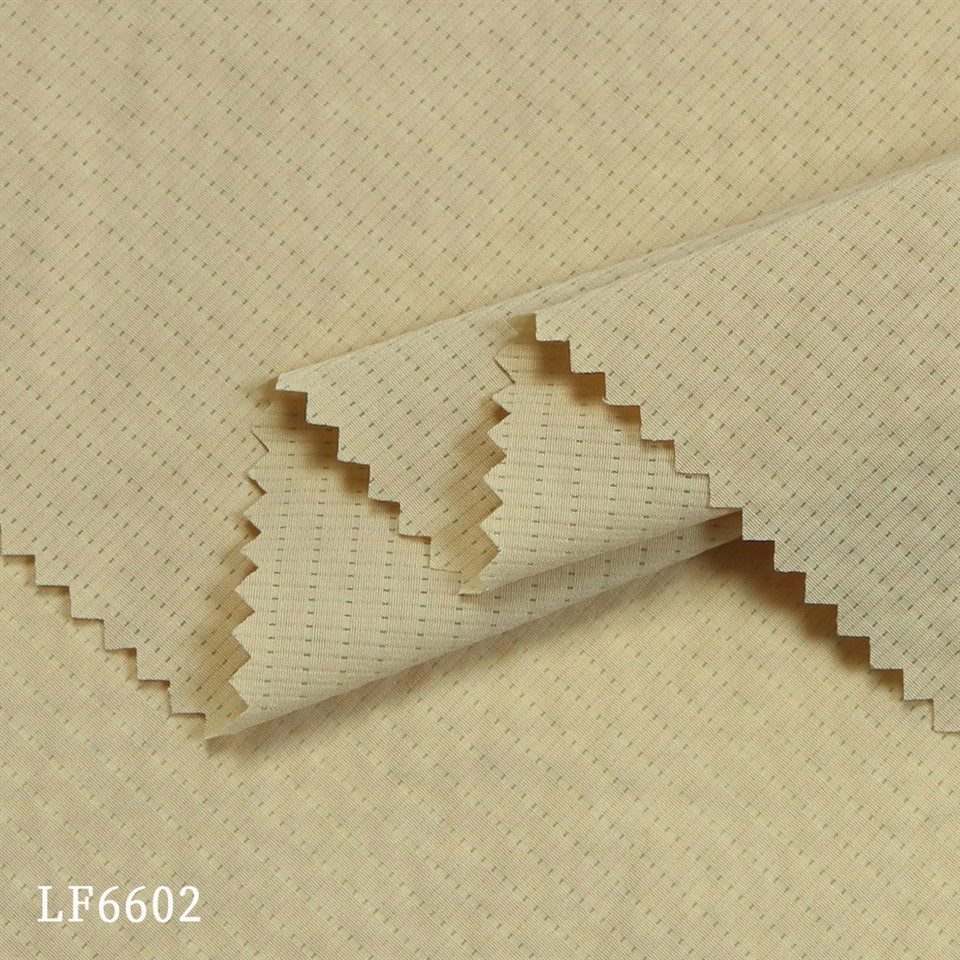
At the end of the day, cavalry twill’s wrinkle resistance is part of what makes it such a timeless fabric. It’s not just a trend; it’s been around for centuries because it’s durable, comfortable, and looks good without needing constant maintenance. I’ve used plenty of other fabrics over the years, but whenever a customer asks me for something that will hold its shape, cavalry twill is my go-to. It’s not perfect, but for what it’s designed to do, it’s hard to beat.
2 1 Twill Weave References
- Textile Institute. (2018). Woven Fabric Properties: Weave Structure and Performance. The Textile Institute, Manchester.
- International Fabric Care Association. (2021). Care Tips for Heavy-Duty Woven Fabrics. IFCA, Minneapolis.
- Vintage Fashion Guild. (2020). Cavalry Twill: A Historical Guide to the Fabric and Its Uses. Vintage Fashion Guild, Los Angeles.
- Cotton Council International. (2019). 100% Cotton Work Fabrics: Durability and Performance Characteristics. CCI, Washington D.C.
Shaoxing Huichao Textile Co., Ltd.
As one of the most professional cavalry twill manufacturers and suppliers in China, we offer a wide range of products with superior quality. We warmly welcome you to wholesale bulk cavalry twill in stock here from our factory. If you have any enquiry about cooperation, please feel free to email us.
Address: Shenyue International Build ing, Unit 1603-1605, Keqiao District, Shaoxing City, Zhejiang Province, China
E-mail: darrenzhong@huichaotextile.com
WebSite: https://www.huichaotextile.com/
