Hey there! I’m a supplier of LV Pole Mounted Circuit Breakers, and I get asked a lot about what kind of training is needed to operate these things. So, I thought I’d write this blog to share some insights. LV Pole Mounted Circuit Breakers
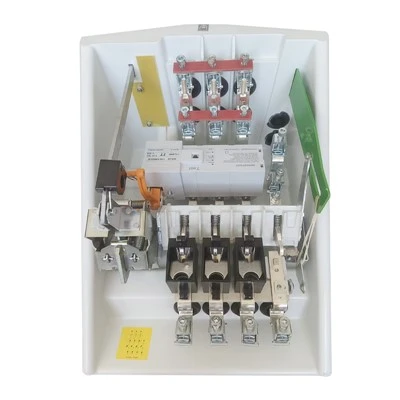
Let’s start with the basics. LV Pole Mounted Circuit Breakers are crucial for protecting electrical systems in distribution networks. They’re installed on poles, which means they’re exposed to the elements and need to be reliable in all sorts of conditions. But operating them isn’t like flipping a light switch; it requires some know – how.
Basic Electrical Knowledge
First off, anyone who’s going to operate an LV Pole Mounted Circuit Breaker should have a solid foundation in basic electrical knowledge. You need to understand concepts like voltage, current, and resistance. Voltage is like the "push" in an electrical circuit. It tells you how much potential energy the electricity has. Current is the flow of electric charge, and resistance is what opposes that flow.
For example, if you don’t know the rated voltage and current of a circuit breaker, you could end up overloading it. Say you’ve got a circuit breaker rated for 200 amps, but you start flowing 300 amps through it. That’s asking for trouble! It could cause the breaker to trip frequently or, even worse, damage it beyond repair.
You also need to be familiar with electrical safety standards. These standards exist for a reason – to keep you and the equipment safe. There are all sorts of rules about grounding, insulation, and protection against electric shock. For instance, proper grounding helps to divert excess electrical current safely into the ground in case of a fault.
Circuit Breaker Mechanics
Understanding the mechanics of the LV Pole Mounted Circuit Breaker is another key aspect of the training. These breakers have different parts, and each part plays an important role.
The contacts are one of the most critical components. They’re like the gates that control the flow of electricity. When the breaker is closed, the contacts are touching, allowing current to flow. When there’s a fault, the contacts separate, breaking the circuit. You need to know how to visually inspect the contacts for signs of wear or damage, like pitting or arcing marks. If the contacts are in bad shape, the breaker might not operate correctly.
The operating mechanism is what makes the contacts open and close. There are different types of operating mechanisms, such as spring – actuated or solenoid – operated. You should know how to test these mechanisms to make sure they’re working properly. For example, you can perform a trip – free test to check if the breaker can trip even if the closing command is still present.
Fault Detection and Diagnosis
A big part of operating these circuit breakers is being able to detect and diagnose faults. Faults can occur in the electrical system for various reasons, like short circuits or overloads.
When a fault happens, the circuit breaker should trip to protect the system. But sometimes, it might not trip when it should, or it might trip unexpectedly. That’s when your training in fault detection comes in handy. You need to be able to use tools like multimeters to measure voltage, current, and resistance in different parts of the circuit.
For example, if you suspect a short circuit, you can use a multimeter to check for low resistance between different conductors. If the resistance is too low, it could indicate a short. You also need to know how to read the breaker’s indicators. Most circuit breakers have status indicators that show whether the breaker is open or closed, and some even have indicators for fault conditions.
Practical Training
Theory is great, but practical training is where you really learn the ropes. I always recommend hands – on training sessions where operators get to work with actual LV Pole Mounted Circuit Breakers.
During practical training, operators can practice opening and closing the breakers in a controlled environment. They can also simulate fault conditions and see how the breaker responds. This gives them a real – world understanding of how the breaker operates and how to handle different situations.
For example, you can set up a mock electrical distribution system with a circuit breaker and some loads. Then, you can introduce a fault, like a short circuit, and have the operator follow the proper procedures to isolate the fault and reset the breaker. This kind of practical experience is invaluable.
Maintenance Training
Operating an LV Pole Mounted Circuit Breaker also involves regular maintenance. You need to know how to clean, lubricate, and inspect the breaker on a regular basis.
Cleaning is important because dirt and debris can accumulate on the breaker’s components, which can affect its performance. You should use the right cleaning agents and tools to avoid damaging the breaker. For example, you can use a soft brush to remove dust from the contacts.
Lubrication is necessary for the moving parts of the breaker, such as the operating mechanism. Using the wrong type of lubricant can cause problems, so you need to know which lubricants are suitable for your specific breaker model.
Inspection involves checking for loose connections, worn parts, and other signs of damage. You should have a checklist to make sure you don’t miss anything. For example, you can check the tightness of the bolts that hold the breaker together, and look for any signs of corrosion on the metal parts.
Ongoing Training
The electrical industry is constantly evolving, so ongoing training is essential. New technologies are being developed all the time, and circuit breakers are getting more advanced.
You need to stay up – to – date with the latest safety standards, new features of the circuit breakers, and best practices for operation and maintenance. You can attend industry conferences, workshops, or online training courses to keep your skills sharp.
For example, some new LV Pole Mounted Circuit Breakers have advanced communication capabilities. You need to learn how to interface with these features to monitor the breaker’s status remotely and perform diagnostic tests.
Conclusion
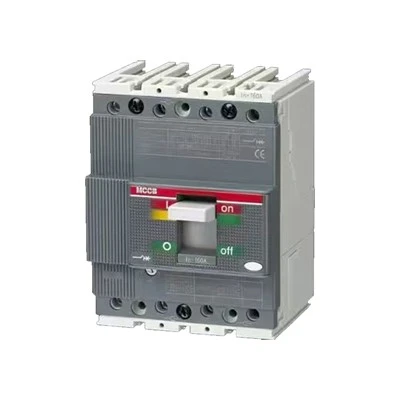
So, as you can see, operating LV Pole Mounted Circuit Breakers requires a combination of basic electrical knowledge, an understanding of the breaker’s mechanics, fault detection skills, practical experience, maintenance know – how, and ongoing training.
Distribution Panelboards If you’re in the market for LV Pole Mounted Circuit Breakers and want to ensure that your operators are well – trained to handle them, I’m here to help. We offer high – quality circuit breakers and can also provide training resources or connect you with professional training providers. Don’t hesitate to reach out if you have any questions about our products or need advice on breaker operation and training. Let’s work together to keep your electrical systems safe and reliable!
References
- Electrical Safety Standards Handbook
- Circuit Breaker Manufacturer’s Manuals
- Industry Publications on Electrical Distribution Systems
Wenzhou Lanen Electrical Co., Ltd.
Wenzhou Lanen Electrical Co., Ltd. is one of the most professional lv pole mounted circuit breakers manufacturers and suppliers in China, also supports customized service with low price. Please feel free to buy CE approved lv pole mounted circuit breakers made in China here from our factory. Contact us for more discount information.
Address: Zhiguang Liushi Town Yueqing City Wenzhou City Zhejiang Province
E-mail: lanen@luyele.cn
WebSite: https://www.lanenelectrical.com/
