Can I get a facelift if I’m pregnant?
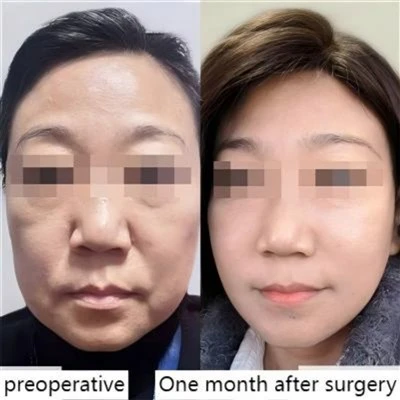
As a supplier in the facelift industry, I often encounter various inquiries from clients. One question that has come up more frequently than one might expect is, "Can I get a facelift if I’m pregnant?" This is a complex and sensitive topic that requires a comprehensive exploration of medical, ethical, and aesthetic considerations. Facelift
The Medical Risks
Pregnancy is a physiological state that brings about significant changes in a woman’s body. Hormonal fluctuations, increased blood volume, and changes in the immune system are just a few of the many alterations that occur during this time. These changes can have a profound impact on the safety and effectiveness of a facelift procedure.
One of the primary concerns is the use of anesthesia. General anesthesia, which is commonly used for facelift surgeries, can pose risks to both the mother and the fetus. Anesthetic agents can cross the placenta and potentially affect the baby’s development. Even local anesthesia, which is thought to be less risky, may have some implications. The stress of surgery can also lead to changes in the mother’s blood pressure and heart rate, which can affect the blood supply to the fetus.
In addition, pregnancy can affect the body’s ability to heal. The increased levels of certain hormones can slow down the healing process, increasing the risk of complications such as infection, bleeding, and poor wound closure. The body’s immune system is also altered during pregnancy, making it more vulnerable to infections. This means that any surgical procedure, including a facelift, can be more challenging to recover from.
Ethical Considerations
From an ethical standpoint, performing a facelift on a pregnant woman raises a number of questions. The well – being of the fetus is of utmost importance, and any medical procedure that could potentially harm the unborn child is a serious ethical concern. Plastic surgeons have a responsibility to prioritize the health of their patients, and in the case of pregnant women, this includes the health of the fetus.
In many cases, it is considered unethical to perform elective cosmetic surgery on a pregnant woman. Elective procedures are those that are not medically necessary, and a facelift falls into this category. Cosmetic surgery should be postponed until after pregnancy and breastfeeding to ensure the safety of both the mother and the baby.
Aesthetic Considerations
Even if the medical and ethical issues were somehow resolved, there are also aesthetic considerations to take into account. The changes that occur during pregnancy can affect the outcome of a facelift. For example, the weight gain and water retention that are common during pregnancy can distort the face and make it difficult to achieve the desired aesthetic result.
After pregnancy, the body goes through a number of post – partum changes, including weight loss and hormonal readjustment. These changes can also affect the appearance of the face, and a facelift that is performed before these changes have fully occurred may not provide a long – lasting or satisfactory aesthetic outcome.
Recommendations
Based on the above considerations, it is generally not recommended that pregnant women undergo a facelift. I always advise my clients who are pregnant or planning to become pregnant to postpone any cosmetic procedures until after they have given birth and completed breastfeeding. This allows the body to return to its pre – pregnancy state and reduces the risks associated with surgery.
For those clients who are eager to enhance their appearance, there are non – surgical alternatives that can be considered during pregnancy. For example, skincare treatments, such as gentle cleansing, moisturizing, and the use of non – invasive anti – aging products, can help maintain a healthy and youthful complexion. These treatments are generally safe during pregnancy and can provide some cosmetic benefits without the risks associated with surgery.
Conclusion
In conclusion, while the desire for a facelift is understandable, the safety and well – being of the mother and the fetus must come first. The medical risks, ethical concerns, and aesthetic considerations all point to the fact that facelift surgery is not appropriate during pregnancy.
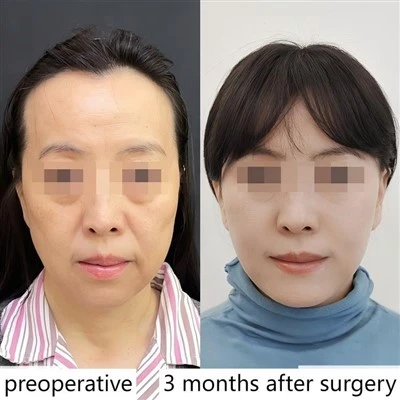
As a facelift supplier, I am committed to providing accurate and up – to – date information to my clients. I understand the importance of making informed decisions when it comes to cosmetic procedures, especially during such a crucial time as pregnancy.
Neck Lift If you have any further questions about facelift procedures or are considering a facelift in the future (after pregnancy, of course), I encourage you to reach out for more detailed information and to discuss your specific needs and concerns. We can then explore the best options for achieving the aesthetic results you desire in a safe and effective manner.
References
- American Society of Plastic Surgeons. "Committee opinion on cosmetic surgery in the pregnant patient." (Although this is a general guideline from the society, specific text can be found in their official publications).
- Journal of Reproductive Medicine. Studies on the effects of anesthesia on pregnant women and fetuses.
- Journal of Plastic and Reconstructive Surgery. Research on wound healing and surgical outcomes during pregnancy.
Yuan Qiang
With over 20 years’ experience, Dr. Yuan Qiang is a professional doctor specializes in comprehensive treatment for facelift. If you have any enquiry about facelift, please feel free to email us. Good service and reasonable price are available.
Address: 602, South Zone, 5th Floor, Building 122, Nanhu Dongyuan, Chaoyang District, Beijing
E-mail: 496864416@qq.com
WebSite: https://www.yuanqiang-doctor.com/
