As a seasoned supplier in the refrigerated display case industry, I’ve witnessed firsthand the diverse needs of businesses when it comes to storing and showcasing perishable items. One of the most common questions I encounter is the difference between single – zone and multi – zone refrigerated display cases. In this blog post, I’ll delve into the intricacies of each type, exploring their features, benefits, and ideal use cases. Refrigerated Display Case

Single – Zone Refrigerated Display Cases
Single – zone refrigerated display cases are designed to maintain a uniform temperature throughout the entire cabinet. These cases are equipped with a single cooling system that circulates cold air within the enclosed space. A compressor, evaporator, and condenser work in tandem to extract heat from the interior, keeping the products at a consistent, pre – set temperature.
The simplicity of single – zone cases is one of their main selling points. They are relatively straightforward to operate and maintain. Since there is only one temperature zone, there is no need to worry about complex temperature controls or balancing different cooling requirements. This makes them a popular choice for small businesses, such as convenience stores and cafes, where the focus is on storing a single type of product at a specific temperature.
For example, a small coffee shop that needs to keep its milk and cream chilled at a standard dairy – safe temperature would find a single – zone display case perfect for the job. The case can be set to the ideal temperature for dairy products, ensuring freshness and compliance with food safety regulations.
Another advantage of single – zone display cases is cost – effectiveness. They are generally less expensive to purchase than multi – zone cases. The simpler design means lower manufacturing costs, which are often passed on to the customer. Additionally, the single cooling system consumes less energy compared to multi – zone systems, resulting in lower utility bills over time.
However, single – zone cases do have their limitations. They are not suitable for businesses that need to store different types of products with varying temperature requirements. For instance, if a store wants to display both frozen desserts and fresh produce, a single – zone case will not be able to maintain the appropriate temperatures for both simultaneously.
Multi – Zone Refrigerated Display Cases
Multi – zone refrigerated display cases, on the other hand, are engineered to create separate temperature zones within the same cabinet. This is achieved through the use of multiple cooling systems or advanced air – flow management techniques. Each zone can be independently set to a different temperature, allowing businesses to store a variety of products with distinct temperature needs in one unit.
The flexibility offered by multi – zone cases is their most significant advantage. A supermarket, for example, can use a multi – zone display case to showcase dairy products in one zone, deli meats in another, and fresh produce in a third. This not only saves space but also simplifies inventory management, as all related products can be stored in a single, convenient location.
In addition to product diversity, multi – zone cases also enhance food safety. Different products require different temperature ranges to maintain their quality and prevent spoilage. By allowing for precise temperature control in each zone, multi – zone cases ensure that every product is stored under optimal conditions. This reduces the risk of foodborne illnesses and helps businesses comply with strict food safety regulations.
However, multi – zone cases come with a higher price tag. The complex design and additional components necessary to create and maintain multiple temperature zones increase the manufacturing cost. Moreover, the more intricate system requires more advanced maintenance and may be prone to more technical issues. Energy consumption can also be higher, especially if the case has a large number of zones or if the temperature differentials between zones are significant.
Ideal Use Cases
The choice between a single – zone and a multi – zone refrigerated display case depends largely on the specific needs of the business.
Single – Zone Cases:
- Small Retailers: Stores with limited space and a narrow product range, such as a small bakery that only needs to keep pastries at a specific cool temperature, can benefit from single – zone cases.
- Food Trucks: These mobile businesses often have limited power and space. A single – zone case can efficiently keep a single type of food item, like sandwiches or cold beverages, chilled.
Multi – Zone Cases:
- Supermarkets and Grocery Stores: With a wide variety of products, from frozen goods to fresh produce, supermarkets require the flexibility of multi – zone cases to meet the temperature needs of all their offerings.
- High – End Restaurants: Fine dining establishments that serve a diverse menu may need to store different types of meats, cheeses, and pre – prepared dishes at different temperatures. A multi – zone case can accommodate these requirements.
Aesthetics and Design
Both single – zone and multi – zone display cases come in a variety of designs and styles to suit different store aesthetics. Modern display cases often feature sleek, glass – fronted exteriors that allow customers to easily view the products inside. Lighting options, such as LED lights, can be added to enhance the visibility and appeal of the products.
Single – zone cases are usually more compact and can be easily integrated into smaller store layouts. They are available in various sizes, from countertop models for cafes to larger floor – standing units for convenience stores. Multi – zone cases, due to their more complex nature, tend to be larger and may require more space. However, they can also be customized to fit specific store dimensions and design requirements.
Conclusion
In summary, the difference between single – zone and multi – zone refrigerated display cases lies in their temperature control capabilities, features, benefits, and ideal use cases. Single – zone cases are simple, cost – effective, and suitable for businesses with a single product temperature requirement. Multi – zone cases offer flexibility, enhanced food safety, and the ability to store a variety of products at different temperatures, but come with a higher cost and more complex maintenance requirements.
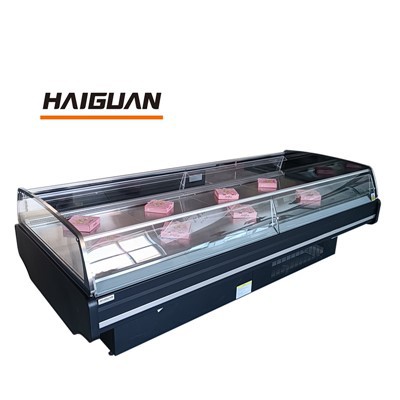
If you’re in the market for a refrigerated display case, it’s crucial to consider your business needs, product range, and budget. Whether you opt for a single – zone or multi – zone case, finding the right unit can significantly impact the success of your business. By ensuring that your perishable products are stored at the optimal temperature, you can maintain their quality, reduce waste, and attract more customers.
Refrigerated Display Case If you have any questions or would like to discuss your specific requirements for a refrigerated display case, I’m here to help. Feel free to reach out to me to start a conversation about how we can find the perfect solution for your business.
References
- "Commercial Refrigeration Handbook", published by the Refrigeration Research Institute.
- Industry reports from leading market research firms specializing in commercial refrigeration equipment.
Jinhua Kate Refrigeration Equipment Co., Ltd.
We are one of the most professional refrigerated display case manufacturers in China, also support customized service with low price. Please rest assured to wholesale bulk high quality refrigerated display case for sale here from our factory. If you have any enquiry about quotation, please feel free to email us.
Address: Room 101, No. 21, Southwest Sixth Road, Xin’an Village, Xin’an Community, Duohu Subdistrict, Jindong District, Jinhua City, Zhejiang Province
E-mail: 2528940364@qq.com
WebSite: https://www.katekool.com/
