As a seasoned supplier of sintered metal materials and filter elements, I’ve witnessed firsthand the intricate relationship between the surface area of these components and their filtration capacity. In this blog post, I’ll delve into the science behind this relationship, exploring how surface area impacts the performance of sintered metal filter elements and why it’s a crucial consideration for anyone in need of high-quality filtration solutions. Sintered Metal Material and Filter Element
Understanding Sintered Metal Filter Elements
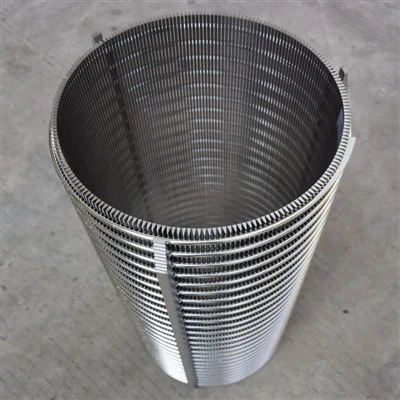
Before we dive into the impact of surface area on filtration capacity, it’s essential to understand what sintered metal filter elements are and how they work. Sintered metal filter elements are created by compacting and heating metal powders until they fuse together, forming a porous structure. This porous structure allows them to trap particles of various sizes while allowing fluid or gas to pass through.
The key advantage of sintered metal filter elements lies in their durability, high temperature resistance, and excellent chemical stability. These properties make them ideal for a wide range of applications, including chemical processing, oil and gas refining, food and beverage production, and pharmaceutical manufacturing.
The Role of Surface Area in Filtration
The surface area of a sintered metal filter element plays a pivotal role in determining its filtration capacity. In simple terms, the larger the surface area, the more space there is for particles to be trapped. When fluid or gas passes through the filter element, contaminants come into contact with the porous surface. The greater the surface area, the higher the probability that these particles will adhere to the surface and be removed from the flow.
Let’s consider a basic analogy to illustrate this point. Imagine two sponges of the same size, but one has a smooth surface while the other has a highly textured, irregular surface. If you were to dip both sponges into a dirty water solution, the sponge with the larger surface area (the textured one) would absorb more dirt particles. Similarly, a sintered metal filter element with a larger surface area can capture more contaminants per unit of time, thus increasing its overall filtration capacity.
Factors Affecting Surface Area
Several factors can influence the surface area of sintered metal filter elements. These include:
-
Pore Size and Distribution: The size and distribution of pores within the filter element play a significant role in determining its surface area. Smaller pores generally result in a larger surface area because there are more individual pore walls for particles to interact with. However, it’s important to note that extremely small pores can also lead to increased pressure drop, which may affect the efficiency of the filtration process.
-
Filter Geometry: The shape and design of the filter element can also impact its surface area. For example, filters with a pleated or corrugated design have a larger surface area compared to flat filters of the same overall dimensions. This is because the pleats or corrugations increase the amount of surface area available for filtration within a given space.
-
Material Composition: Different metal powders used in the sintering process can affect the porosity and surface area of the final filter element. Some metals may have a more open or porous structure, resulting in a larger surface area. Additionally, the addition of other materials or alloys during the sintering process can also modify the surface properties of the filter element.
Measuring the Impact on Filtration Capacity
To quantify the impact of surface area on filtration capacity, various testing methods are employed. One commonly used method is the "dust-holding capacity" test, which measures the amount of dust a filter element can trap before its pressure drop reaches a specified limit. This test provides a direct measure of the filter’s ability to remove contaminants over time.
In general, as the surface area of a sintered metal filter element increases, its dust-holding capacity also increases. This means that the filter can operate for longer periods without needing to be replaced or cleaned, reducing maintenance costs and downtime.
Another important parameter is the "initial efficiency," which measures the percentage of particles removed from the fluid or gas stream during the initial stages of filtration. Filter elements with a larger surface area typically have a higher initial efficiency because they provide more opportunities for particles to be captured.
Applications and Implications
The relationship between surface area and filtration capacity has significant implications for various industries. In the chemical processing industry, for example, where stringent purity requirements are often in place, sintered metal filter elements with a large surface area can help ensure the quality of the final product by removing even the smallest contaminants.
In the oil and gas sector, filter elements with high surface area can improve the efficiency of hydrocarbon separation processes, reducing the risk of equipment damage and improving overall operational performance. Similarly, in the food and beverage industry, filters with a large surface area can help maintain product quality and safety by removing impurities and microorganisms.
Optimizing Filtration Performance
As a supplier of sintered metal filter elements, we understand the importance of optimizing surface area to maximize filtration performance. Our team of engineers works closely with customers to design and manufacture filter elements that are tailored to their specific needs. By carefully selecting the appropriate pore size, filter geometry, and material composition, we can ensure that our filters provide the highest level of filtration efficiency and durability.
In addition to custom design, we also offer a range of standard filter elements with different surface areas to meet the diverse requirements of our customers. Whether you need a filter for a small-scale laboratory application or a large industrial process, we have the expertise and resources to provide the right solution.
Conclusion

In conclusion, the surface area of sintered metal filter elements has a profound impact on their filtration capacity. By increasing the surface area, we can enhance the filter’s ability to trap contaminants, improve its efficiency, and extend its service life. As a supplier of high-quality sintered metal filter elements, we are committed to providing our customers with the best possible filtration solutions. If you’re looking for a reliable partner for your filtration needs, we invite you to reach out to us to discuss your requirements and explore how our products can benefit your business.
References
Sintered Metal Material and Filter Element [1] Smith, J. K., & Johnson, A. B. (2018). Principles of Filtration. CRC Press.
[2] Brown, C. D., et al. (2019). Improving Filtration Efficiency Through Surface Area Optimization. Journal of Filtration Science and Technology, 25(3), 123-135.
[3] Miller, E. F. (2020). The Role of Sintered Metal Filters in Industrial Processes. Elsevier.
Henan Easy Filter Equipment Co., Ltd.
As one of the leading sintered metal material and filter element manufacturers and suppliers in China, we offer a wide range of products with superior quality. Please rest assured to buy advanced sintered metal material and filter element from our factory. We also accept customized orders.
Address: Apartment No.1, Building No.2, Zhengshang Jinyushijia, Xinzhong Street, Xinxiang, Henan, China.
E-mail: vivian@easyfiltertech.com
WebSite: https://www.easyfilter-china.com/
