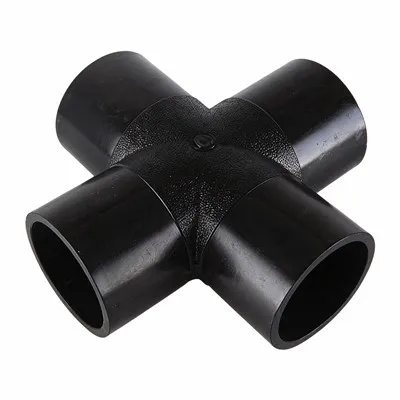
As a supplier of Butt Fusion Drainage Fittings, I am often asked if our products can be used in coastal areas with high humidity. This is a crucial question, considering the unique environmental challenges that coastal regions present. In this blog post, I will delve into the technical details and practical considerations to provide a comprehensive answer. Butt Fusion Drainage Fittings
Understanding Butt Fusion Drainage Fittings
Before we discuss the suitability of butt fusion drainage fittings for coastal areas, it’s essential to understand what these fittings are and how they work. Butt fusion is a welding process used to join thermoplastic pipes and fittings. In this process, the ends of the pipes or fittings are heated to a molten state and then pressed together, creating a strong, homogeneous joint that is often as strong as the parent material.
Butt fusion drainage fittings are commonly used in a variety of applications, including municipal drainage systems, industrial wastewater management, and residential plumbing. They offer several advantages over traditional pipe joining methods, such as rubber gaskets or solvent cement. These advantages include leak – proof joints, durability, and ease of installation.
Challenges of High – Humidity Coastal Areas
Coastal areas are characterized by high humidity levels, which can have a significant impact on the performance and longevity of construction materials. The high moisture content in the air can lead to corrosion, rust, and degradation of metal components. Additionally, the presence of salt in the air and water in coastal regions can accelerate these processes, posing a serious threat to the integrity of drainage systems.
Another challenge in coastal areas is the potential for soil movement due to factors such as erosion, flooding, and seismic activity. Drainage systems need to be able to withstand these forces without compromising their functionality.
Suitability of Butt Fusion Drainage Fittings in Coastal Areas
When it comes to using butt fusion drainage fittings in coastal areas with high humidity, there are several factors to consider.
Material Resistance
Most butt fusion drainage fittings are made from thermoplastics such as polyvinyl chloride (PVC), high – density polyethylene (HDPE), or polypropylene (PP). These materials have inherent resistance to corrosion and moisture, making them well – suited for use in high – humidity environments. For example, HDPE is known for its excellent chemical resistance, low water absorption, and high impact strength. It can withstand exposure to saltwater and other corrosive substances without significant degradation.
PVC is also a popular choice for drainage fittings due to its durability, affordability, and ease of installation. It has good resistance to moisture and can be formulated to resist the effects of UV radiation, which is often a concern in coastal areas.
Joint Integrity
The butt fusion welding process creates a seamless joint between the pipes and fittings, eliminating the risk of leaks caused by gasket failure or improper sealing. This is particularly important in coastal areas, where any leakage can lead to contamination of the surrounding environment or damage to the infrastructure. The strong and reliable joints provided by butt fusion fittings ensure the long – term performance of the drainage system, even in harsh coastal conditions.
Flexibility and Resistance to Soil Movement
Butt fusion drainage fittings made from thermoplastics offer some degree of flexibility, which allows them to accommodate soil movement without cracking or breaking. Unlike rigid metal pipes, thermoplastic pipes can bend and adapt to changes in the ground, reducing the risk of damage due to seismic activity or soil subsidence. This flexibility is a significant advantage in coastal areas, where the soil can be unstable and subject to erosion.
Long – Term Durability
Given the high humidity and corrosive conditions in coastal areas, the long – term durability of drainage fittings is of utmost importance. Thermoplastic butt fusion fittings have a proven track record of longevity, with a lifespan of up to 50 years or more in many applications. This long service life reduces the need for frequent replacements and maintenance, saving both time and money in the long run.
Considerations for Installation and Maintenance
While butt fusion drainage fittings are well – suited for use in coastal areas, proper installation and maintenance are still crucial to ensure their optimal performance.
Installation
During installation, it’s important to follow the manufacturer’s guidelines for butt fusion welding. This includes cleaning the pipe and fitting surfaces thoroughly, using the correct welding equipment and parameters, and allowing sufficient time for the joint to cool and set. In high – humidity environments, it may be necessary to take additional precautions to prevent moisture from affecting the welding process, such as using dehumidifiers or protective enclosures.
Maintenance
Regular maintenance of the drainage system is essential to detect and address any potential issues before they become major problems. This includes inspecting the pipes and fittings for signs of damage, such as cracks or leaks, and cleaning the system to prevent blockages. In coastal areas, it may also be necessary to monitor the system for corrosion and take appropriate measures to protect the fittings if necessary.
Conclusion
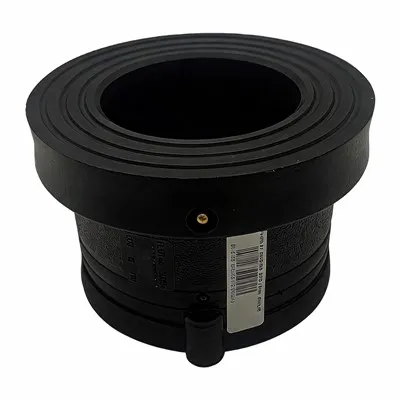
In conclusion, butt fusion drainage fittings are a viable option for use in coastal areas with high humidity. The inherent properties of thermoplastic materials, such as corrosion resistance, joint integrity, flexibility, and long – term durability, make them well – suited to withstand the harsh environmental conditions found in these regions. However, proper installation and maintenance are essential to ensure the optimal performance and longevity of the drainage system.
Butt Fusion Drainage Fittings If you are considering using butt fusion drainage fittings for your project in a coastal area, I encourage you to contact us for more information. Our team of experts can provide you with detailed technical advice, assistance with product selection, and support throughout the installation process. We are committed to providing high – quality products and excellent customer service, and we look forward to discussing your needs with you.
References
- ASTM International. (20XX). Standards for thermoplastic pipes and fittings.
- Plastic Pipe Institute. (20XX). Handbook on the use of plastic pipes in drainage systems.
- Water Environment Federation. (20XX). Guidelines for the design and construction of coastal drainage systems.
Qingdao Polyfusion Machinery Co., Ltd.
As one of the most professional butt fusion drainage fittings manufacturers and suppliers in China, we have world-leading production equipment and strong manufacturing capabilities. Please feel free to buy bulk high quality butt fusion drainage fittings from our factory.
Address: Chengyang Industry Zone, Chengyang, Qingdao, Shandong, China
E-mail: export01@qdpolyfusion.com
WebSite: https://www.polyfusionfittings.com/
