In the hospitality industry, the selection of hotel curtains goes beyond mere aesthetics. Two crucial factors that hoteliers often consider are flame retardancy and soundproofing. As a supplier of flame-retardant hotel curtains, I am frequently asked whether these specialized curtains can also offer soundproofing benefits. In this blog post, I will delve into the science behind flame retardancy and soundproofing, explore the relationship between the two, and provide insights into whether flame-retardant hotel curtains can effectively reduce noise levels. Flame-Retardant Hotel Curtains

Understanding Flame Retardancy
Flame retardant materials are designed to slow down or prevent the spread of fire. They achieve this through various mechanisms, such as releasing gases that dilute the oxygen in the air, forming a char layer that insulates the material from the fire, or interrupting the chemical reactions that sustain combustion. In the context of hotel curtains, flame retardancy is not just a desirable feature; it is often a legal requirement. Hotels are public spaces where the safety of guests is of utmost importance, and fire safety regulations mandate the use of flame-retardant fabrics in areas such as guest rooms, hallways, and meeting rooms.
At our company, we take pride in offering a wide range of flame-retardant hotel curtains that meet or exceed the strictest industry standards. Our curtains are treated with advanced flame retardant chemicals that are carefully selected to ensure long-lasting effectiveness without compromising the fabric’s appearance or texture. Whether it’s a luxurious satin curtain or a practical polyester blend, we can provide a solution that combines style and safety.
The Science of Soundproofing
Soundproofing, on the other hand, is the process of reducing the transmission of sound from one area to another. It involves the use of materials that can absorb, reflect, or block sound waves. The effectiveness of a soundproofing material is measured by its Sound Transmission Class (STC) rating, which indicates the material’s ability to reduce sound transmission. A higher STC rating means better soundproofing performance.
There are several factors that affect a material’s soundproofing capabilities. One of the most important is its density. Generally, denser materials are better at blocking sound because they have more mass to absorb and reflect sound waves. Thickness also plays a role, as thicker materials can provide more insulation against sound. Additionally, the structure and composition of the material can influence its soundproofing properties. For example, materials with a porous or fibrous structure can absorb sound waves more effectively than smooth, hard surfaces.
Can Flame-Retardant Hotel Curtains Be Soundproof?
The answer to the question of whether flame-retardant hotel curtains can be soundproof is not a simple yes or no. While flame retardancy and soundproofing are two distinct properties, there is some overlap between the characteristics of materials that offer these benefits.
Some of the factors that contribute to a curtain’s flame retardancy can also enhance its soundproofing capabilities. For instance, materials with a high density tend to be better at both slowing down the spread of fire and blocking sound. Additionally, curtains made from thick, multi-layered fabrics can provide better insulation against both fire and noise.
However, it’s important to note that not all flame-retardant curtains are inherently soundproof. The primary purpose of flame retardant treatment is to prevent or slow down the spread of fire, and this may not necessarily translate into significant soundproofing benefits. In some cases, the flame retardant chemicals used in the treatment process can actually affect the fabric’s structure and reduce its ability to absorb or block sound.
That being said, there are ways to design and manufacture flame-retardant hotel curtains that also offer good soundproofing performance. By carefully selecting the right fabrics, using appropriate construction techniques, and incorporating additional sound-absorbing layers, it is possible to create curtains that meet both flame retardancy and soundproofing requirements.
Selecting the Right Flame-Retardant and Soundproof Curtains
When choosing flame-retardant hotel curtains with soundproofing capabilities, there are several factors to consider.
Fabric Selection
Opt for dense, heavy fabrics such as velvet, wool, or thick polyester blends. These materials have a higher mass and can better absorb and block sound waves. Natural fibers like cotton and linen can also be used, but they may need to be treated or combined with other materials to enhance their soundproofing properties.
Construction and Design
Multi-layered curtains are generally more effective at soundproofing than single-layer curtains. Consider using curtains with an inner lining or adding a separate soundproofing panel behind the curtain. Tight seams and a good fit around the window frame can also help to reduce sound leakage.
Flame Retardant Treatment
Ensure that the flame retardant treatment used on the curtains does not compromise their soundproofing performance. Look for products that have been independently tested and certified for both flame retardancy and soundproofing.
Benefits of Soundproof Flame-Retardant Hotel Curtains
Investing in soundproof flame-retardant hotel curtains can offer several benefits for hotel owners and guests alike.
Enhanced Guest Comfort
Noise can be a major source of discomfort for hotel guests. By reducing the amount of external noise that enters the room, soundproof curtains can create a more peaceful and relaxing environment, allowing guests to get a better night’s sleep.
Improved Privacy
In addition to blocking external noise, soundproof curtains can also prevent sound from traveling between rooms. This can enhance guest privacy and make the hotel a more attractive option for business travelers and guests who value their personal space.
Fire Safety
As mentioned earlier, flame retardancy is a crucial safety feature in hotel curtains. By using curtains that are both flame retardant and soundproof, hoteliers can ensure the safety of their guests while also providing a comfortable and quiet environment.
Conclusion
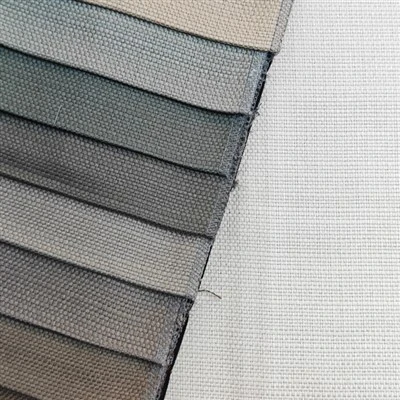
In conclusion, while not all flame-retardant hotel curtains are soundproof, it is possible to find or create curtains that offer both benefits. By understanding the science behind flame retardancy and soundproofing, and by carefully considering factors such as fabric selection, construction, and treatment, hoteliers can make informed decisions when choosing curtains for their properties.
Smart Hotel Curtains If you’re a hotel owner or an interior designer looking for high-quality flame-retardant hotel curtains with soundproofing capabilities, I encourage you to reach out to us. We have a team of experts who can help you select the right curtains for your specific needs and provide you with customized solutions that meet your budget and style preferences. Contact us today to start the conversation and explore how our flame-retardant hotel curtains can enhance the safety and comfort of your guests.
References
- ASTM International. (Year). Standard test methods for fire tests of textiles and films.
- International Building Code. (Year). Provisions related to fire safety in public buildings, including requirements for flame-retardant materials.
- Acoustical Society of America. (Year). Publications on the principles of soundproofing and the properties of different materials.
Dalian Hcurtain Hotel Supplies Co., Ltd.
As one of the most experienced flame-retardant hotel curtains manufacturers in China, our products have good reputation in the market. Please rest assured to wholesale bulk customized flame-retardant hotel curtains from our factory. For quotation and free sample, contact us now.
Address: N106, Building C4, No.888 Xinan Rd, Shahekou Dist. Dalian City, Liaoning Province, China
E-mail: Info@hcurtain.com
WebSite: https://www.hcurtain.com/
