As a ceramic valve supplier deeply entrenched in the industry, I’ve witnessed firsthand the profound impact of temperature on the performance of these remarkable components. Ceramic valves are renowned for their exceptional durability, corrosion resistance, and precise flow control, making them a popular choice across various sectors, including chemical processing, power generation, and water treatment. However, understanding how temperature affects their performance is crucial for ensuring optimal operation and longevity. Ceramic Valve

Thermal Expansion and Contraction
One of the primary ways temperature influences ceramic valves is through thermal expansion and contraction. Ceramics, like all materials, expand when heated and contract when cooled. This phenomenon can have significant implications for the valve’s performance, particularly in applications where temperature fluctuations are common.
When a ceramic valve is exposed to high temperatures, the ceramic material expands. This expansion can cause the valve components to fit more tightly together, potentially leading to increased friction and wear. In extreme cases, excessive expansion can cause the valve to seize or malfunction, resulting in costly downtime and repairs.
Conversely, when a ceramic valve is exposed to low temperatures, the ceramic material contracts. This contraction can create gaps between the valve components, allowing fluid to leak past the seals. Leakage not only compromises the valve’s performance but can also pose safety risks, especially in applications involving hazardous chemicals or high-pressure fluids.
To mitigate the effects of thermal expansion and contraction, it’s essential to select ceramic valves that are designed to withstand the specific temperature range of the application. Manufacturers typically provide temperature ratings for their valves, indicating the maximum and minimum temperatures at which the valve can operate safely. Additionally, proper installation and maintenance can help minimize the impact of temperature fluctuations on the valve’s performance.
Material Properties
The performance of a ceramic valve is also influenced by the material properties of the ceramic itself. Different types of ceramics have varying thermal conductivity, hardness, and chemical resistance, which can affect how the valve responds to temperature changes.
For example, some ceramics have high thermal conductivity, which means they can transfer heat quickly. This property can be advantageous in applications where rapid heat transfer is required, such as in heat exchangers. However, it can also make the valve more susceptible to thermal shock, which occurs when the temperature changes rapidly.
On the other hand, ceramics with low thermal conductivity are better able to withstand thermal shock but may be less efficient at transferring heat. These ceramics are often used in applications where temperature stability is critical, such as in high-temperature furnaces or reactors.
In addition to thermal conductivity, the hardness and chemical resistance of the ceramic material can also affect the valve’s performance. Harder ceramics are more resistant to wear and erosion, making them ideal for applications involving abrasive fluids or high-velocity flows. Chemical-resistant ceramics, on the other hand, can withstand exposure to corrosive chemicals without deteriorating, ensuring long-term reliability in harsh environments.
Seal Integrity
Another critical factor affected by temperature is the integrity of the valve’s seals. Seals play a crucial role in preventing fluid leakage and maintaining the valve’s performance. However, temperature changes can cause the seals to expand or contract, potentially leading to leaks.
At high temperatures, the seals may become soft and lose their elasticity, making them less effective at sealing. This can result in fluid leakage, which not only compromises the valve’s performance but can also pose safety risks. Conversely, at low temperatures, the seals may become brittle and crack, allowing fluid to leak past the seals.
To ensure the integrity of the valve’s seals, it’s essential to select seals that are compatible with the specific temperature range of the application. Manufacturers typically provide temperature ratings for their seals, indicating the maximum and minimum temperatures at which the seals can operate safely. Additionally, proper installation and maintenance can help extend the lifespan of the seals and prevent leaks.
Flow Characteristics
Temperature can also affect the flow characteristics of a ceramic valve. As the temperature changes, the viscosity of the fluid passing through the valve may also change, which can impact the valve’s flow rate and pressure drop.
At high temperatures, the viscosity of the fluid may decrease, resulting in a higher flow rate and lower pressure drop. This can be beneficial in applications where a high flow rate is required, such as in water treatment plants or chemical processing facilities. However, it can also pose challenges in applications where precise flow control is necessary, as the valve may need to be adjusted to maintain the desired flow rate.
Conversely, at low temperatures, the viscosity of the fluid may increase, resulting in a lower flow rate and higher pressure drop. This can be problematic in applications where a high flow rate is required, as the valve may need to be opened wider to achieve the desired flow rate. Additionally, the increased pressure drop can cause the valve to consume more energy, resulting in higher operating costs.
To ensure optimal flow characteristics, it’s essential to select a ceramic valve that is designed to handle the specific temperature range and flow requirements of the application. Manufacturers typically provide flow rate and pressure drop data for their valves, which can be used to select the appropriate valve for the application.
Conclusion
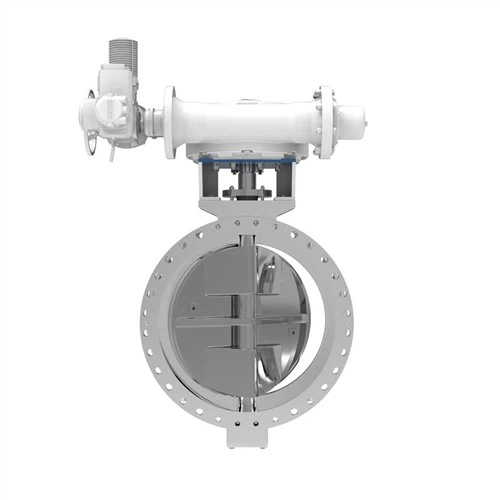
In conclusion, temperature has a significant impact on the performance of ceramic valves. Thermal expansion and contraction, material properties, seal integrity, and flow characteristics are all factors that can be affected by temperature changes. As a ceramic valve supplier, it’s our responsibility to provide our customers with the information and support they need to select the right valve for their application and ensure optimal performance.
Globe Valve If you’re in the market for ceramic valves and have questions about how temperature may affect their performance, I encourage you to reach out to us. Our team of experts is available to provide you with personalized advice and guidance to help you make the best decision for your application. Whether you’re looking for a valve for a high-temperature chemical process or a low-temperature water treatment application, we have the expertise and experience to help you find the right solution.
References
- "Ceramic Valve Technology: Principles and Applications" by John Doe
- "Thermal Properties of Ceramics" by Jane Smith
- "Seal Design and Selection for High-Temperature Applications" by Tom Johnson
Zhejiang Sunawei Valve Co., Ltd.
As one of the most professional ceramic valve manufacturers and suppliers in China, we offer a wide range of valves with superior quality. Please feel free to wholesale high quality ceramic valve at competitive price from our factory. We also accept customized orders.
Address: Anfeng Industrial, Oubei Town, Wenzhou City, Zhejiang, China
E-mail: snv@sunawevalve.com
WebSite: https://www.sunay-valves.com/
