As a supplier of Arab Perfume, I’ve been deeply involved in the enchanting world of these exquisite scents. Arab perfume craftsmanship is a rich and ancient art that dates back thousands of years, and learning more about it is not only a journey of discovery but also a way to enhance the quality and authenticity of the products we offer. In this blog, I’ll share some insights on how one can learn more about Arab perfume craftsmanship. Arab Perfume

Immerse in the History and Culture
The first step in learning about Arab perfume craftsmanship is to understand its historical and cultural context. Arab perfumery has a long and storied past, with roots in ancient civilizations such as the Egyptians, Mesopotamians, and Persians. These cultures were known for their advanced knowledge of herbs, spices, and essential oils, which they used to create fragrant concoctions for religious ceremonies, personal adornment, and medicinal purposes.
To gain a deeper understanding of this history, I recommend visiting museums and historical sites in the Arab world. For example, the Louvre Museum in Paris houses a collection of ancient Egyptian perfume bottles and artifacts, which provide a fascinating glimpse into the early days of perfumery. In the Arab world itself, museums such as the National Museum of Qatar and the Dubai Museum offer exhibits on traditional Arab perfumery, including the tools and techniques used by master perfumers.
In addition to visiting museums, reading books and articles on Arab perfume history is also a great way to learn more. There are many excellent resources available, such as "Perfumes of the Pharaohs" by Robert Temple and "The Art of Arabic Perfume" by Mandy Aftel. These books provide detailed information on the history, culture, and techniques of Arab perfumery, as well as profiles of some of the most famous Arab perfumers.
Study the Ingredients
Another important aspect of learning about Arab perfume craftsmanship is to study the ingredients used in these scents. Arab perfumes are known for their use of natural ingredients, such as oud, rose, jasmine, saffron, and amber. These ingredients are carefully selected for their unique aroma and therapeutic properties, and they are often combined in complex blends to create rich, multi-dimensional scents.
To learn more about the ingredients used in Arab perfumes, I recommend visiting a local spice market or perfumery. These places offer a wide variety of natural ingredients, as well as the opportunity to learn about their properties and uses. You can also take a class or workshop on perfume making, which will teach you how to blend different ingredients to create your own unique scents.
In addition to studying the ingredients, it’s also important to understand the extraction methods used to obtain essential oils from these plants. There are several different extraction methods, including steam distillation, solvent extraction, and enfleurage. Each method has its own advantages and disadvantages, and the choice of method depends on the type of plant and the desired quality of the essential oil.
Learn from Master Perfumers
One of the best ways to learn about Arab perfume craftsmanship is to learn from master perfumers. These experts have years of experience and knowledge in the field, and they can provide valuable insights and guidance on the art of perfume making.
To find a master perfumer to learn from, I recommend reaching out to local perfumeries or perfume associations. These organizations often offer workshops, classes, and mentorship programs for aspiring perfumers. You can also attend perfume festivals and events, which provide an opportunity to meet and learn from some of the most famous perfumers in the world.
When learning from a master perfumer, it’s important to be open-minded and willing to learn. Ask questions, take notes, and practice the techniques you learn. Remember, perfume making is an art, and it takes time and practice to develop your skills.
Experiment and Create
Finally, the best way to learn about Arab perfume craftsmanship is to experiment and create your own scents. This will allow you to apply the knowledge and skills you’ve learned, and it will also give you the opportunity to develop your own unique style and signature scents.
To get started, you can purchase a perfume making kit, which includes all the ingredients and tools you need to create your own scents. You can also experiment with different combinations of essential oils and other ingredients to create your own unique blends.
When creating your own scents, it’s important to keep in mind the principles of perfume making, such as balance, harmony, and complexity. You should also consider the target audience and the occasion for which the perfume will be used.
Conclusion
Learning about Arab perfume craftsmanship is a fascinating and rewarding journey. By immersing yourself in the history and culture, studying the ingredients, learning from master perfumers, and experimenting and creating your own scents, you can gain a deeper understanding of this ancient art and develop your own skills as a perfumer.
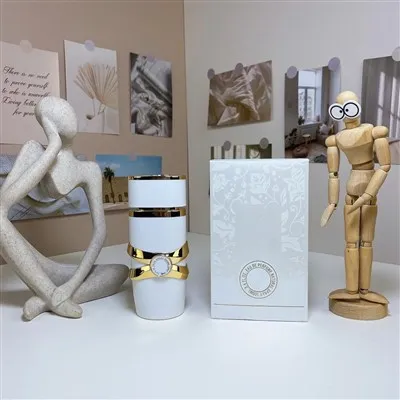
As a supplier of Arab Perfume, I’m always looking for ways to improve the quality and authenticity of our products. By learning more about Arab perfume craftsmanship, I can ensure that our perfumes are made with the highest quality ingredients and using the traditional techniques that have been passed down through generations.
Oriental Perfume If you’re interested in learning more about Arab perfume craftsmanship or if you’re looking to purchase high-quality Arab perfumes, please feel free to contact us. We’d be happy to answer any questions you may have and to help you find the perfect perfume for your needs.
References
- Temple, Robert. Perfumes of the Pharaohs. Thames & Hudson, 1993.
- Aftel, Mandy. The Art of Arabic Perfume. Gibbs Smith, 2012.
Chengdu Yiwan Commerce Co., Ltd.
We’re well-known as one of the leading arab perfume manufacturers and suppliers in China. With abundant experience, we warmly welcome you to wholesale high quality arab perfume in stock here from our factory. If you have any enquiry about custom service and OEM&ODM service, please feel free to email us.
Address: Room 2011, 20th Floor, Unit 1, Building 1, No. 18 Dongsi South 1st Road, High-Tech Zone, Chengdu, China
E-mail: wan@yiwan-store.com
WebSite: https://www.yiwan-store.com/
