Hey folks, if you’ve ever shopped around for a PVC pipe machine (or like, helped a buddy who’s drowning in plumbing supply orders), you know the vibe: the machine’s a beast, but skipping even one little installation step turns a "smooth startup" into a 3-day headache of leaks, weird pipe warping, or worse—total dead-on-arrival gear. I’ve been selling these things for 7 years now, and I’ve seen it all: a guy in Ohio hooked a machine up to a 110V outlet instead of 480V and fried the motor before he even pressed the power button, a small plumbing shop in Texas crammed their machine into a closet and had to yank half their inventory out before it could run. Today, I’m breaking down the actual, no-BS installation requirements—stuff that doesn’t show up on the glossy spec sheets suppliers love to post, because let’s be real, no one reads the fine print until it’s too late. PVC Pipe Machine
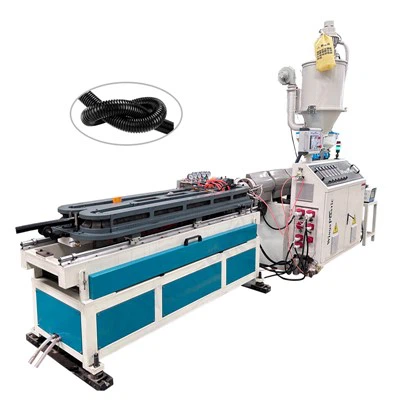
First off, let’s cut to the chase: location is everything, and I don’t mean just picking a spot that’s not next to the break room fridge. You can’t plop a 2,000-lb PVC pipe machine anywhere and call it a day. First, the floor needs to be level enough to keep the extruder barrel from tilting—even a 1-degree slant makes the PVC melt unevenly, leading to wobbly pipes that crack under pressure. Most new machines come with adjustable mounting feet, but if your floor is rough, don’t skip the grout or shim kit I usually suggest customers pick up (I actually sell these as an add-on, because guys forget to grab them and then call me panicking). Oh, and clearance—no shoving it next to your old metal shredder or a stack of PVC pellets. You need at least 3 feet of space on all sides: front for feeding the raw material, back for the vent that blows hot air, left/right for the cutting table and waste collection bin. I once had a customer who tried to save space by tucking it next to a wall, and the vent couldn’t push the fumes out—within an hour, the whole shop smelled like melting plastic and the fire alarm went off. Spoiler: OSHA doesn’t care about your cluttered shop layout.
Next up, power. This is the #1 mistake I see, hands down. 9 out of 10 first-time buyers try to use whatever outlet is closest, not what the machine actually needs. Let’s get specific: most mid-sized PVC pipe machines (the ones that make 2–12 inch pipes) run on 3-phase 480V power, not regular 110V or 220V single-phase. Single-phase will make the motor sputter, underheat the PVC, and even blow fuses constantly. If your shop only has single-phase? Don’t panic—we can sell you a phase converter, but you have to get one sized correctly for your machine’s motor (I can help with that, by the way—just shoot me a message). Also, the circuit needs to be dedicated. No sharing it with your welding rig, your dust collector, or that old refrigerator in the back. If other machines kick on while your PVC extruder is running, the voltage drops, and you get inconsistent pipe thickness. I always tell customers to have an electrician run a dedicated line before the machine arrives, not after—wait until after the delivery is way more expensive, and you’ll probably have downtime you can’t afford.
Then there’s the raw material setup, which sounds simple but trips people up too. PVC pipe machines use resin pellets, right? Not random plastic bottles you chopped up (trust me, I’ve heard that idea). The pellets need to be dry—super dry. If they have even a tiny bit of moisture, the pipe will have bubbles and weak spots that fail pressure tests. So you need a desiccant dryer that’s matched to your machine’s throughput. A 100-lb/hr dryer works for small 2-inch pipe lines, a 500-lb/hr one for bigger 12-inch lines. Also, the pellet storage should be elevated off the floor—no one wants water seeping into a 50-lb bag of resin because you stored it on a concrete floor that’s damp from rain or cleaning. And the feed hopper on the machine needs a mesh screen to catch any big chunks or debris— a customer in Florida once skipped that, and a piece of a plastic bag got stuck in the extruder, costing him a whole day to take it apart and clean it.
Now, the vent and fume system, which is non-negotiable for safety and quality. When PVC melts, it gives off small amounts of fumes that aren’t great to breathe—plus, if they build up near the machine, they can ignite if the extruder overheats. You need an exhaust fan rated for industrial use, not the bathroom fan you have in your home. The duct should be at least 6 inches in diameter, run straight outside (no 90-degree bends that restrict airflow), and connected directly to the machine’s vent port. If you live in a cold climate, don’t let the duct get cold enough for moisture to condense and drip back into the machine— that will mess up the pellet dryness and the pipe quality. I had a customer in Minnesota learn that the hard way last winter; he tried to skip insulating the duct, and by the time the morning run started, condensation was dripping into the hopper, making the first 2 hours of pipes useless. Oops.
Wait, what about the cooling system? For bigger machines, they need either water cooling or air cooling. Air-cooled is cheaper and easier for small shops, but only works for machines under 200 lb/hr throughput. If you’re running a machine that makes big pipes all day, water cooling is a must—because air cooling can’t keep up with the heat, leading to the pipe warping as it comes out of the die. The water lines need to be clear, and you have to use a rust inhibitor so mineral buildup doesn’t clog the lines over time. I suggest flushing the cooling lines every 6 months, because even in soft water areas, gunk builds up. Another thing: if you use well water, have it tested for hardness first—super hard water causes way more mineral buildup than city water, so you might need a water softener.
And let’s not forget the setup after the machine is in place, like calibration. No one just hooks everything up and starts running pipes that meet code, right? The die (the part that shapes the molten PVC into a pipe) needs to be aligned, the cutting blade needs to be set to the right length, and the puller (the thing that pulls the pipe through) needs to have the right tension. I always include a free on-site startup check for customers within the first 30 days of installation, because even if everything is hooked up right, small adjustments make a huge difference. One of my go-to tips? Run a few test pipes, cut them in half lengthwise, and check the wall thickness all the way around. If it’s thinner on one side, the die is off, and you’ll have pipes that leak at the joints.
Also, let’s talk about the fine print that no one mentions: safety stuff. The machine has guards on the moving parts (the extruder screw, the cutters, the puller) that are mandatory to keep you from getting hurt. Don’t remove them— I’ve seen too many guys do that to clean faster, and one guy lost a finger when his sleeve got caught in the puller. Also, have a fire extinguisher rated for electrical/plastic fires within 10 feet of the machine. PVC melts at high temperatures, and if something goes wrong, you don’t want to be running across the shop for a fire extinguisher.
Wait, should I mention anything about utilities beyond power? Like, for the cutting system, some machines use compressed air for the cutting blade—so you need an air compressor that can put out at least 100 PSI, and a regulator to keep it steady. If the air pressure is too low, the blade won’t cut all the way through, leading to ragged pipe ends. I’ve had customers forget to hook up the air line at all, and spent an hour trying to hand-cut hot PVC that was still coming out of the die. Not fun.
Let me wrap this up with a quick reality check: installing a PVC pipe machine isn’t like setting up a new TV. You can’t plug it in and go. But if you hit all these points—level floor, correct power, dry pellet setup, proper vent/cooling, calibrated parts, safety gear—you’ll have a machine that runs reliably for years, no downtime, no bad batches of pipes. I’ve seen small shops go from making 100 pipes a week to 2,000 a week just by getting the setup right, no fancy upgrades needed.
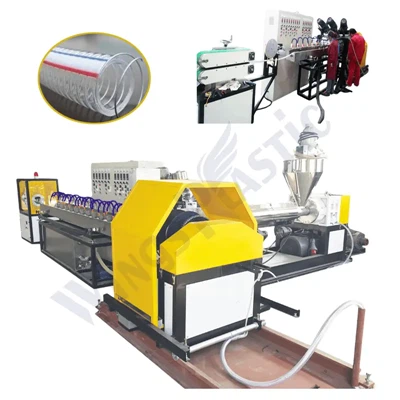
If you’re in the market for a PVC pipe machine and want to make sure you don’t skip any of these steps, just reach out. I can walk you through checking your shop layout, power, utilities, whatever you need to make the installation smooth. No salesy pitches, no hidden fees, just honest advice from someone who’s been in this game long enough to know what actually works.
PPR Pipe Machine References
- American Society of Mechanical Engineers. (2019). Industrial Exhaust Ventilation Standards for Plastic Processing Machinery. ASME B15.1-2019.
- National Electrical Code (NEC). (2020). Article 430: Motor Circuits and Controllers for Industrial Machinery.
- Plastics Industry Association. (2021). PVC Pipe Processing Guidelines for Extrusion Machinery Setup and Maintenance. PIA Technical Report 12-21.
Qingdao Wings Plastic Technology Co., Ltd.
As one of the most experienced pvc pipe machine manufacturers and suppliers in China, we also support customized service. Please feel free to buy durable pvc pipe machine made in China here from our factory. For price consultation, contact us.
Address: C02 Of Anshengyi Road, No.2 Fuan Industry Zone,Jiaodong Town, Jiaozhou City, Qingdao City, Shandong Province,China
E-mail: kelly@wingsplastic.com
WebSite: https://www.wingsextruder.com/
