Hey there! As a supplier of titanium flat bars, I often get asked if these bad boys require special handling during installation. Well, let’s dive right into it and find out. Titanium Flat Bar

First off, let’s talk a bit about titanium. Titanium is an amazing metal. It’s super strong, yet lightweight. It has excellent corrosion resistance, which makes it a top – choice for a wide range of applications, from aerospace to marine, and even in the medical field. But with all these great properties, does it need some extra TLC during installation?
1. Pre – installation Considerations
Before we start the actual installation, there are a few things to keep in mind. Titanium flat bars are usually delivered in various sizes and thicknesses. When you first receive them, give them a quick visual inspection. Look for any signs of damage, like scratches, dents, or surface irregularities. If you spot any issues, reach out to us right away. We’ll work with you to figure out the best solution, whether it’s a replacement or some minor repair.
Another thing is storage. Titanium is pretty tough, but it’s still a good idea to store the flat bars in a dry environment. Moisture can potentially cause some surface oxidation over time, although titanium’s natural oxide layer is quite protective. Just keep them away from areas where there’s a lot of humidity or standing water.
2. Cutting and Shaping
Cutting titanium flat bars can be a bit different from cutting other metals. You can’t just use your regular old saw and expect it to work smoothly. Titanium has a high strength – to – weight ratio, which means it’s more resistant to cutting. You’ll need to use the right tools.
For cutting, a carbide – tipped saw blade is a great option. It can handle the hardness of titanium without getting dull too quickly. Make sure the saw is running at the right speed. If it’s too fast, it can generate a lot of heat, which might affect the properties of the titanium. And if it’s too slow, it’ll take forever to cut through the bar.
When it comes to shaping the flat bars, like bending or forming, you also need to be careful. Titanium has a relatively low thermal conductivity compared to some other metals. So, if you’re using heat to assist in shaping, you need to control the temperature carefully. Overheating can lead to grain growth in the titanium, which can weaken the material.
3. Joining Titanium Flat Bars
Joining titanium flat bars is where things get a bit more tricky. Welding is a common method, but it’s not as straightforward as welding other metals. Titanium is very reactive with oxygen, nitrogen, and hydrogen at high temperatures. If these elements get into the weld, it can cause brittleness and reduce the strength of the joint.
To weld titanium flat bars, you need a specialized welding process, like gas tungsten arc welding (GTAW) or plasma arc welding. These processes use an inert gas, usually argon, to shield the weld area from the surrounding air. This way, you can prevent the titanium from reacting with the bad stuff in the air.
Another option for joining is using mechanical fasteners, like bolts and nuts. But even here, you need to be careful. Make sure the fasteners are made of a compatible material. Using the wrong type of fastener can lead to galvanic corrosion, where one metal corrodes preferentially due to an electrical potential difference between the two metals.
4. Handling During Installation
During the actual installation, you need to handle the titanium flat bars gently. They’re strong, but they can still be damaged if you’re not careful. Avoid dropping them or using excessive force when positioning them.
When you’re lifting the flat bars, use proper lifting equipment. If you’re using a crane or a hoist, make sure the lifting points are properly secured. You don’t want the bar to slip or fall during the installation process.
Also, keep the work area clean. Dirt and debris can get into the joints or scratches on the surface of the titanium, which can potentially cause problems down the road.
5. Post – installation Checks
Once the installation is complete, it’s a good idea to do a final check. Inspect all the joints to make sure they’re secure. Look for any signs of cracking or distortion in the flat bars.
If you’ve welded the bars, check the welds for any defects. A visual inspection can often spot obvious issues, like porosity or lack of fusion. You might also want to consider doing some non – destructive testing, like ultrasonic testing or X – ray testing, especially for critical applications.
Conclusion
So, to answer the question, yes, titanium flat bars do require some special handling during installation. From pre – installation checks to the actual installation process and post – installation inspections, there are a lot of things to keep in mind. But don’t let that scare you away. With the right knowledge and the right tools, you can install titanium flat bars successfully.
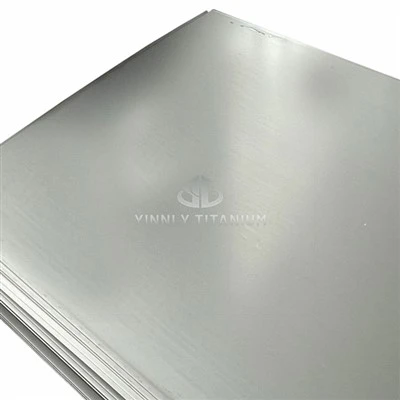
If you’re in the market for high – quality titanium flat bars and need some guidance on installation, or if you have any other questions, don’t hesitate to reach out. We’re here to help you make the most of this amazing material. Whether you’re working on a small DIY project or a large industrial one, we’ve got the products and the expertise to support you.
Titanium Plate Or Sheet References
- "Titanium: A Technical Guide" by John C. Williams
- Various industry – specific manuals on titanium processing and installation
Baoji Yinnly Titanium Co., Ltd.
Baoji Yinnly Titanium Co., Ltd. is one of the most professional titanium flat bar manufacturers and suppliers in China, featured by quality products and good service. Please rest assured to buy bulk titanium flat bar in stock here and get quotation from our factory. Customized orders are welcome.
Address: Unit 902, Building 1, Creative Building, No. 195, Gaoxin Avenue, High-tech Zone, Baoji City, Shaanxi Province
E-mail: anna@yinnlyti.com
WebSite: https://www.yinnlyti.com/
