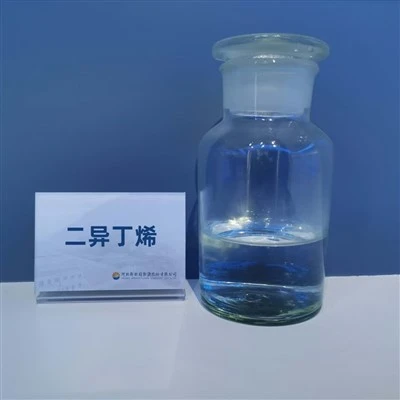
As a supplier of olefin raw materials, I’ve witnessed firsthand the growing importance of recycling in our industry. Olefins, which include ethylene, propylene, and butylene, are fundamental building blocks in the petrochemical sector, used in a vast array of products from plastics to synthetic rubber. With the increasing global focus on sustainability and the circular economy, the recycling of olefin raw materials has become a crucial aspect of our business. Olefin Raw Materials
The Significance of Olefin Recycling
The demand for olefins has been steadily rising over the past few decades, driven by the growth of various industries. However, the production of olefins from traditional fossil – based sources is not only finite but also has significant environmental impacts, including greenhouse gas emissions and the depletion of natural resources. Recycling olefin raw materials offers a more sustainable alternative.
Recycling helps to reduce the amount of waste sent to landfills. A large portion of plastic waste, which is predominantly made from olefins, persists in the environment for hundreds of years. By recycling olefin – based plastics, we can divert this waste from landfills and give it a new life. Moreover, recycling reduces the need for virgin olefin production. This means less extraction of fossil fuels, such as crude oil and natural gas, and a decrease in the associated environmental footprint.
Methods of Olefin Raw Material Recycling
Mechanical Recycling
Mechanical recycling is one of the most common and well – established methods for recycling olefin raw materials. In this process, the first step is collecting and sorting olefin – based products. This can be a challenging task as olefin plastics come in various forms, colors, and additives. Specialized sorting facilities use a combination of manual and automated techniques to separate different types of olefin plastics, such as polyethylene (PE) and polypropylene (PP).
Once sorted, the plastics are cleaned to remove any contaminants, such as dirt, labels, and other non – plastic materials. After cleaning, the plastics are shredded into small pieces, called flakes. These flakes are then melted and re – extruded into pellets, which can be used as raw materials for the production of new plastic products.
However, mechanical recycling has its limitations. Each time olefin plastics are mechanically recycled, the polymer chains degrade to some extent, resulting in a decrease in the quality of the recycled material. This means that mechanically recycled olefin materials are often used in lower – grade applications, such as packaging films or non – structural components.
Chemical Recycling
Chemical recycling offers a more advanced and potentially more effective way to recycle olefin raw materials. There are several chemical recycling technologies, including pyrolysis, gasification, and depolymerization.
Pyrolysis is a process in which olefin plastics are heated in the absence of oxygen. This breaks down the long polymer chains into smaller molecules, such as olefin monomers and oligomers. These products can then be used as feedstock for the production of new olefins or other petrochemical products. Pyrolysis has the advantage of being able to handle mixed plastics and can produce high – quality recycled materials.
Gasification is another chemical recycling method where plastics are heated with oxygen or steam at high temperatures to produce a synthesis gas, or syngas. Syngas is a mixture of hydrogen, carbon monoxide, and other gases, which can be further processed into various chemicals and fuels, including olefins.
Depolymerization involves breaking down the polymer chains of olefin plastics back into their original monomers. This requires specific catalysts and reaction conditions. Once the monomers are recovered, they can be polymerized again to produce new plastics of the same quality as virgin materials.
Challenges in Olefin Recycling
Despite the potential benefits of olefin recycling, there are several challenges that need to be overcome.
One of the main challenges is the complexity of the waste stream. Olefin plastics are often contaminated with other materials, such as food residues, adhesives, and other types of plastics. These contaminants can interfere with the recycling process and reduce the quality of the recycled products. Developing more effective sorting and cleaning technologies is crucial to address this issue.
Another challenge is the economic viability of recycling. In many cases, the cost of recycling olefin raw materials is higher than the cost of producing virgin olefins. This is due to factors such as the high cost of collection, sorting, and processing. To make recycling more economically attractive, governments and industries need to work together to provide incentives, such as subsidies or tax breaks.
In addition, there is a lack of consumer awareness and participation in the recycling process. Many people are not aware of the importance of recycling olefin – based products or do not know how to recycle them properly. Education and public awareness campaigns are needed to encourage consumers to recycle and to promote the use of recycled products.
The Role of Olefin Raw Material Suppliers
As an olefin raw material supplier, we play a crucial role in promoting and facilitating the recycling of olefin materials.
We can invest in research and development to improve recycling technologies. By collaborating with universities, research institutions, and other industry partners, we can develop more efficient and cost – effective recycling methods. This not only benefits the environment but also helps to ensure a sustainable supply of olefin raw materials in the long run.
We can also work with our customers to promote the use of recycled olefin materials. By providing high – quality recycled products and educating our customers about their benefits, we can help to increase the demand for recycled materials. This, in turn, will create a market for recycled olefins and make recycling more economically viable.
Furthermore, we can support the establishment of collection and sorting systems. By working with local governments and waste management companies, we can help to ensure that olefin – based products are properly collected and sorted for recycling.
Conclusion
The recycling of olefin raw materials is an essential part of the sustainable development of the petrochemical industry. While there are challenges to overcome, the benefits of recycling in terms of environmental protection and resource conservation are significant. As an olefin raw material supplier, we are committed to promoting and supporting the recycling of olefin materials.
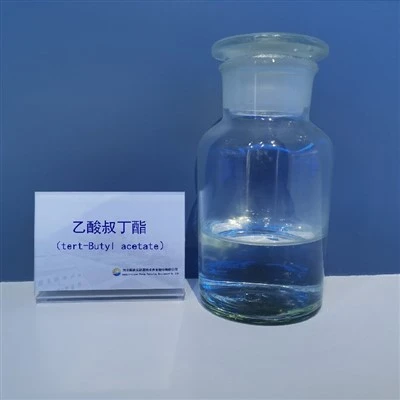
We believe that by working together with all stakeholders, including governments, industries, and consumers, we can create a more circular economy for olefin raw materials. This will not only help to reduce the environmental impact of the petrochemical industry but also ensure a stable and sustainable supply of olefins for future generations.
Olefin Raw Materials If you are interested in purchasing high – quality olefin raw materials, including recycled options, we invite you to contact us for further discussions. We are ready to provide you with the best solutions tailored to your specific needs.
References
- Al-Salem, S. M., Lettieri, P., & Baeyens, J. (2009). Recycling and recovery routes of plastic solid waste (PSW): A review. Waste Management, 29(10), 2625 – 2643.
- Hopewell, J., Dvorak, R., & Kosior, E. (2009). Plastics recycling: challenges and opportunities. Philosophical Transactions of the Royal Society B: Biological Sciences, 364(1526), 2115 – 2126.
- Patel, M. K., & Subramanian, V. (2017). Chemical recycling of waste plastics for new materials production. Progress in Polymer Science, 76, 133 – 164.
Hebei Xinxinyuan Energy Co., Ltd.
Hebei Xinxinyuan Energy Co., Ltd. is one of the most professional olefin raw materials manufacturers and suppliers in China, featured by quality products and good price. Please rest assured to wholesale customized olefin raw materials made in China here from our factory.
Address: Zhongjie Industrial Park, Huanghua City, Cangzhou City, Hebei Province, China
E-mail: atl2066@qq.com
WebSite: https://www.xinxinyuanfr.com/
