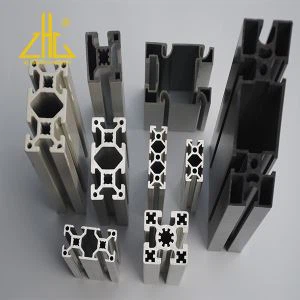
As a leading supplier of anodized aluminum profiles, I’ve encountered numerous inquiries from clients about the thickness of the anodized layer. This parameter isn’t just a technical detail; it significantly impacts the performance, appearance, and durability of the aluminum profiles. In this blog post, I’ll delve into what the thickness of the anodized layer entails, the factors influencing it, its importance, and how to choose the appropriate thickness for different applications. Anodized Aluminum Profile
Understanding the Anodized Layer on Aluminum Profiles
Anodizing is an electrochemical process that enhances the natural oxide layer on aluminum surfaces. By immersing the aluminum profile in an electrolyte bath and applying an electric current, a controlled oxidation reaction occurs, forming a hard, corrosion – resistant, and porous oxide layer. This layer is the anodized layer, and its thickness is measured in micrometers (μm).
The anodized layer serves multiple functions. Firstly, it acts as a protective barrier that shields the underlying aluminum from corrosion, abrasion, and environmental elements. Secondly, it provides a surface that can be easily dyed, allowing for a wide range of color options to meet different aesthetic requirements.
Factors Influencing the Thickness of the Anodized Layer
1. Application Requirements
The intended use of the anodized aluminum profile is a primary determinant of the anodized layer thickness. For outdoor applications, where the profile is exposed to harsh weather conditions, UV radiation, and pollutants, a thicker anodized layer is necessary. A thickness of 25μm or more is typically recommended for things like architectural facades, window frames, and outdoor furniture. In contrast, for interior applications such as decorative trims or electronic device casings, a thinner layer of around 5 – 15μm may suffice as the profiles are less exposed to harsh conditions.
2. Anodizing Process Parameters
The anodizing process itself has a significant impact on the layer thickness. The voltage applied during the anodizing process is directly related to the growth rate of the anodized layer. Higher voltages generally result in a faster growth rate and a thicker layer. The duration of the anodizing process also plays a role. Longer anodizing times allow for more oxidation to occur, leading to a thicker layer. Additionally, the concentration and type of the electrolyte used in the bath can influence the formation and thickness of the anodized layer.
3. Aluminum Alloy Composition
Different aluminum alloys have varying responses to the anodizing process. Alloys with higher concentrations of elements such as copper, silicon, and magnesium may have a different anodizing behavior compared to pure aluminum. For instance, some alloys may require specific anodizing parameters to achieve the desired layer thickness and appearance. In general, alloys with higher purity tend to form more uniform and consistent anodized layers.
Importance of Different Anodized Layer Thicknesses
1. Corrosion Resistance
The thickness of the anodized layer is directly proportional to its corrosion – resistant properties. A thicker anodized layer provides better protection against corrosion, as it is more difficult for corrosive agents such as moisture, salts, and acids to penetrate the oxide film and reach the underlying aluminum. For example, in marine environments or industrial areas with high pollution levels, using anodized aluminum profiles with a thick anodized layer can significantly extend the service life of the structures.
2. Abrasion Resistance
Anodized layers also enhance the abrasion resistance of aluminum profiles. A thicker anodized layer can withstand more mechanical wear and tear, making it suitable for applications where the profiles are likely to be scratched or rubbed against other surfaces. For example, in conveyor systems or industrial machinery components, a thick anodized layer helps to prevent surface damage and maintain the integrity of the profiles.
3. Aesthetic Appeal
The thickness of the anodized layer can affect the aesthetic appearance of the aluminum profiles. Thinner anodized layers may allow the natural texture and grain of the aluminum to show through, providing a more subtle and understated look. On the other hand, thicker anodized layers can provide a more solid and vibrant color finish when dyed, making them ideal for applications where a bold and eye – catching appearance is desired.
Selecting the Appropriate Anodized Layer Thickness
1. Consider the Environment
As mentioned earlier, the environmental conditions where the aluminum profiles will be used are crucial in determining the anodized layer thickness. If the profiles will be exposed to a highly corrosive environment, such as a coastal area or a chemical plant, a thicker layer is essential. For indoor applications in a clean environment, a thinner layer can be selected to save cost without sacrificing too much on performance.
2. Evaluate the Intended Use
The type of application also influences the choice of anodized layer thickness. For structural components that require high strength and durability, a thicker anodized layer may be necessary. For decorative elements, the focus may be more on the aesthetic appearance, and a thinner layer with a suitable color finish can be used.
3. Balance with Cost
Thicker anodized layers generally require more time, energy, and materials during the anodizing process, which increases the cost. It’s important to strike a balance between the desired performance and the budget. Sometimes, a moderately thick anodized layer can provide sufficient performance at a more reasonable cost.
Our Capabilities as an Anodized Aluminum Profile Supplier
At our company, we have extensive experience in anodizing aluminum profiles to different layer thicknesses. We use state – of – the – art anodizing equipment and advanced processes to ensure the quality and uniformity of the anodized layers. Whether you need a thin layer for a decorative application or a thick layer for a high – performance project, we can meet your requirements.
We work closely with our clients to understand their specific needs and provide professional advice on the appropriate anodized layer thickness. Our technical team can also conduct in – depth tests on the anodized profiles to ensure that they meet the relevant industry standards and performance requirements.
Conclusion and Invitation

In conclusion, the thickness of the anodized layer on an aluminum profile is a critical factor that affects its performance, appearance, and durability. By understanding the factors influencing the layer thickness and choosing the appropriate thickness for your specific application, you can ensure that your anodized aluminum profiles provide long – lasting performance and aesthetic appeal.
aluminum wall panel profile If you are in the market for high – quality anodized aluminum profiles and need more information about anodized layer thickness or other product specifications, please don’t hesitate to contact us. We are more than willing to discuss your project requirements and provide you with customized solutions. Our dedication to quality and customer satisfaction makes us an ideal partner for your anodized aluminum profile needs. Reach out to us today to start a productive discussion about your procurement requirements.
References
- "Aluminum Anodizing Handbook" – Various industry – specific articles on aluminum anodizing principles and processes
- Manufacturer’s technical data sheets on anodized aluminum products
- Research papers on the influence of alloy composition on anodizing quality and layer thickness
Foshan Pailian Aluminium Ltd
Foshan Pailian Aluminium Ltd is one of the most professional anodized aluminum profile manufacturers and suppliers in China. With the aid of experienced staff and advanced equipment, we can assure you the high quality, high precision and excellent design of our products. Come and wholesale the cheap anodized aluminum profile made in China here from our factory. Customized orders are welcome.
Address: 1802A, 1802B, 1802C, 1802D, 1802E,18th Floor, Aluminum Association Building, NO.70 Lingnan Road,DALI FOSHAN CITY,GUANGDONG ,CHINA
E-mail: zhlaluminum@gmail.com
WebSite: https://www.pailian-aluminium.com/
