As a supplier of filter meshes, I’ve witnessed firsthand the critical role these components play in various industries. One of the most important characteristics that customers often inquire about is the heat – resistance properties of filter meshes. In this blog post, I will delve into the science behind these properties, the factors influencing them, and why they are crucial for different applications. Filter Mesh
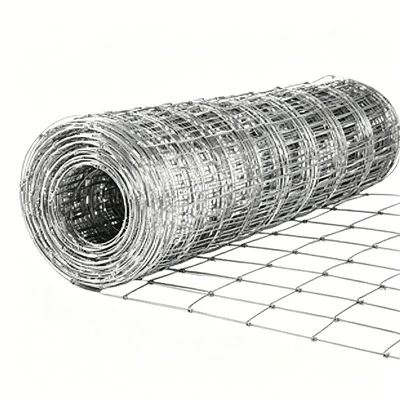
The Science of Heat Resistance in Filter Meshes
Heat resistance in filter meshes is primarily determined by the materials from which they are made. Different materials have distinct atomic and molecular structures that respond differently to high temperatures.
Metallic Filter Meshes
Metallic meshes are a popular choice in many industrial settings due to their excellent heat – resistance capabilities. Metals such as stainless steel, nickel alloys, and titanium are commonly used.
Stainless steel meshes are renowned for their durability and resistance to corrosion as well as heat. The alloying elements in stainless steel, like chromium and nickel, form a protective oxide layer on the surface when exposed to high temperatures. This layer acts as a barrier, preventing further oxidation and degradation of the metal. For example, stainless steel 316L can withstand continuous operating temperatures of up to approximately 870°C (1600°F).
Nickel – based alloys, such as Inconel, offer even higher heat – resistance. Inconel alloys contain a high percentage of nickel, along with chromium, iron, and other elements. These alloys maintain their strength and integrity at extremely high temperatures, often above 1000°C (1832°F). The unique crystal structure of nickel – based alloys and the formation of stable oxide films contribute to their superior heat – resistance.
Titanium meshes are also used in certain high – temperature applications. Titanium has a relatively low density while still offering good heat – resistance. It can withstand temperatures up to around 600°C (1112°F) in some cases. Titanium forms a tough, adherent oxide layer on its surface, which provides protection against oxidation and hot gas corrosion.
Non – Metallic Filter Meshes
Non – metallic materials, such as ceramics and certain high – performance polymers, are also used to make filter meshes.
Ceramic filter meshes are known for their exceptional heat – resistance. Materials like alumina, silicon carbide, and zirconia can withstand extremely high temperatures. Alumina ceramic meshes can operate at temperatures up to 1600°C (2912°F) or even higher. The strong covalent bonds in ceramic materials give them high melting points and excellent thermal stability.
High – performance polymers, on the other hand, have more limited heat – resistance compared to ceramics and metals but are still suitable for some applications. For example, PTFE (polytetrafluoroethylene) can resist temperatures up to around 260°C (500°F). PTFE has a unique molecular structure with strong carbon – fluorine bonds, which gives it good chemical resistance and a relatively high heat – resistance for a polymer.
Factors Influencing Heat – Resistance Properties
Several factors can influence the heat – resistance properties of filter meshes, aside from the material itself.
Mesh Structure
The structure of the filter mesh, including the wire diameter, aperture size, and weave pattern, can affect its heat – resistance. A thicker wire diameter generally provides better heat – dissipation and mechanical strength at high temperatures. For example, a mesh with a larger wire diameter will be less likely to deform under thermal stress compared to a mesh with a thinner wire.
The aperture size also plays a role. A smaller aperture size may lead to a higher surface area – to – volume ratio, which can affect the heat – transfer process. In some cases, a smaller aperture size may cause the mesh to heat up more quickly, while in other applications, it may help to distribute the heat more evenly.
The weave pattern can influence the flexibility and mechanical stability of the mesh at high temperatures. Different weave patterns, such as plain weave, twill weave, and Dutch weave, have different levels of interlacing and porosity. A more tightly woven mesh may have better mechanical strength but could also be more prone to thermal expansion and contraction issues.
Surface Treatment
Surface treatments can enhance the heat – resistance of filter meshes. For metallic meshes, processes like passivation can improve the formation and stability of the protective oxide layer. Passivation involves treating the metal surface with chemicals to remove contaminants and promote the growth of a more uniform and adherent oxide film.
Applying coatings to the mesh surface can also provide additional heat – protection. Ceramic coatings, for example, can insulate the mesh from high – temperature environments and prevent oxidation. These coatings can increase the overall heat – resistance of the mesh and extend its service life.
Operating Conditions
The operating conditions, such as the duration of exposure to high temperatures, the presence of corrosive gases or liquids, and the temperature cycling, can significantly impact the heat – resistance of filter meshes.
Long – term exposure to high temperatures can cause gradual degradation of the mesh material. Even materials with high heat – resistance can experience creep (slow deformation under constant stress at high temperatures) over time. The presence of corrosive substances in the environment can react with the mesh material and accelerate its degradation, especially at high temperatures.
Temperature cycling, where the mesh is repeatedly heated and cooled, can cause thermal stress. This stress can lead to cracking, delamination, or other forms of mechanical failure in the mesh. Therefore, understanding the specific operating conditions is crucial when selecting a filter mesh with appropriate heat – resistance properties.
Importance of Heat – Resistance in Different Applications
Automotive Industry
In the automotive industry, filter meshes are used in various components, such as exhaust systems and engine air filters. Exhaust systems operate at extremely high temperatures, often exceeding 500°C (932°F). A heat – resistant filter mesh in the exhaust system can help to trap particulate matter and prevent it from being released into the environment. It also needs to maintain its structural integrity under high – temperature and high – flow conditions.
Engine air filters, on the other hand, may encounter elevated temperatures due to the heat generated by the engine. A heat – resistant mesh can ensure that the filter continues to function effectively without deforming or losing its filtering efficiency.
Chemical Processing Industry
In the chemical processing industry, filter meshes are used in reactors, distillation columns, and other equipment. Many chemical processes involve high – temperature reactions, and the filter meshes need to withstand these conditions. For example, in the production of petrochemicals, the meshes may be exposed to temperatures above 300°C (572°F) along with corrosive chemicals. A heat – resistant and chemically resistant mesh is essential to ensure the safety and efficiency of the process.
Power Generation Industry
Power plants, whether they are coal – fired, gas – fired, or nuclear, rely on filter meshes for various applications. In coal – fired power plants, filter meshes are used in the flue gas desulfurization (FGD) systems. These systems operate at high temperatures, and the meshes need to filter out particulate matter and sulfur compounds. The heat – resistance of the meshes is crucial to prevent clogging and ensure the long – term operation of the FGD system.
In gas – fired power plants, filter meshes are used in the intake air filters and in the turbine protection systems. The high – temperature environment in and around the turbines requires filter meshes that can withstand extreme heat without losing their filtering capabilities.
Why Choose Our Filter Meshes for Heat – Resistant Applications
As a supplier of filter meshes, we understand the importance of providing high – quality products with excellent heat – resistance properties. Our team of experts is dedicated to selecting the most suitable materials and manufacturing processes to meet the specific requirements of our customers.
We offer a wide range of metallic and non – metallic filter meshes with varying heat – resistance capabilities. Whether you need a stainless steel mesh for a low – to – medium – temperature application or a ceramic mesh for an extremely high – temperature environment, we have the products to meet your needs.
We also pay close attention to the factors that influence heat – resistance, such as mesh structure and surface treatment. Our manufacturing processes are carefully controlled to ensure that each mesh has the appropriate wire diameter, aperture size, and weave pattern. We can also provide customized surface treatments to enhance the heat – resistance and other properties of the meshes.
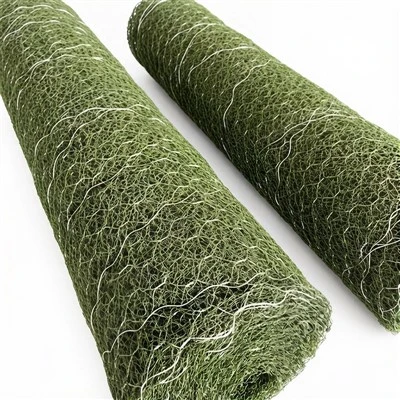
Moreover, we have extensive testing facilities to verify the heat – resistance and other properties of our filter meshes. We subject our products to rigorous testing conditions to ensure that they meet or exceed the industry standards.
Filter Mesh If you are looking for reliable and high – performance filter meshes with excellent heat – resistance properties, we invite you to contact us for more information and to discuss your specific requirements. Our sales team is ready to assist you in finding the best solution for your application.
References
- “Materials Science and Engineering: An Introduction” by William D. Callister Jr. and David G. Rethwisch
- “Advances in Heat – Resistant Materials for High – Temperature Applications” by various authors, published in the Journal of Materials Science and Technology
- Technical data sheets provided by material suppliers for stainless steel, nickel alloys, ceramics, and polymers.
Hengshui Anbang Road and Bridge Material Co., Ltd.
As one of the most professional filter meshmanufacturers and suppliers in China, we’re featured by quality products and good service. Please rest assured to wholesale bulk customized filter mesh from our factory. For pricelist, contact us now.
Address: Zhaobazhuang Wire Mesh Industrial Park, Shenzhou City, Hengshui City, Hebei Province
E-mail: 857732879@qq.com
WebSite: https://www.cnanbang.com/
