Aircraft engine seals play a crucial role in ensuring the airtightness of an aircraft engine, which is essential for the engine’s performance, efficiency, and safety. As a leading supplier of aircraft engine seals, I have witnessed firsthand the importance of these components and the advanced technologies used to achieve optimal airtightness. In this blog post, I will delve into the mechanisms and materials that enable aircraft engine seals to maintain a tight seal, and how our company is at the forefront of providing high-quality solutions. Aircraft Engine Seal

The Significance of Airtightness in Aircraft Engines
Before we explore how aircraft engine seals ensure airtightness, it’s important to understand why airtightness is so critical in the context of an aircraft engine. An aircraft engine operates under extreme conditions, with high temperatures, pressures, and rotational speeds. Airtightness is essential for several reasons:
- Efficiency: Airtight seals prevent the leakage of hot gases from the combustion chamber, ensuring that the maximum amount of energy is used to drive the turbine and generate thrust. This improves the engine’s fuel efficiency and reduces operating costs.
- Performance: By maintaining a stable internal pressure, airtight seals help the engine to operate at its optimal performance. Leakage can disrupt the airflow within the engine, leading to a decrease in power output and performance.
- Safety: Airtightness is crucial for safety, as it prevents the leakage of hazardous gases and fluids. In the event of a seal failure, hot gases or fluids could leak into the engine compartment, potentially causing fires or other safety hazards.
Mechanisms of Airtight Sealing
Aircraft engine seals use a variety of mechanisms to ensure airtightness, depending on the specific application and operating conditions. Some of the most common mechanisms include:
- Contact Seals: Contact seals rely on direct contact between two surfaces to prevent leakage. These seals typically consist of a flexible material, such as rubber or elastomer, that is compressed between two mating surfaces. The compression creates a tight seal that prevents the passage of gases or fluids. Contact seals are commonly used in applications where the pressure differential is relatively low, such as in the housing of bearings or shafts.
- Non-Contact Seals: Non-contact seals operate without direct contact between the sealing surfaces, relying instead on a gap or clearance to control the flow of gases or fluids. These seals are typically used in applications where the rotational speeds are high or the operating temperatures are extreme. Non-contact seals include labyrinth seals, which use a series of grooves and ridges to create a tortuous path for the flow of gases, and gas film seals, which use a thin film of gas to separate the sealing surfaces.
- Dynamic Seals: Dynamic seals are designed to maintain airtightness while allowing for relative motion between the sealing surfaces. These seals are commonly used in applications where there is rotational or reciprocating motion, such as in the shafts of turbines or compressors. Dynamic seals can be either contact or non-contact, depending on the specific design and operating conditions.
Materials Used in Aircraft Engine Seals
The choice of materials for aircraft engine seals is critical in ensuring airtightness and durability. The materials must be able to withstand the extreme temperatures, pressures, and chemical environments found in an aircraft engine. Some of the most commonly used materials for aircraft engine seals include:
- Metals: Metals, such as stainless steel, titanium, and nickel alloys, are commonly used in aircraft engine seals due to their high strength, temperature resistance, and corrosion resistance. Metal seals are typically used in applications where the operating temperatures are high, such as in the hot sections of the engine.
- Elastomers: Elastomers, such as rubber and silicone, are often used in aircraft engine seals due to their flexibility and ability to create a tight seal. Elastomer seals are commonly used in applications where the pressure differential is relatively low, such as in the housing of bearings or shafts.
- Composites: Composites, such as carbon fiber and ceramic matrix composites, are increasingly being used in aircraft engine seals due to their high strength, low weight, and excellent thermal and chemical resistance. Composite seals are typically used in applications where the operating temperatures are extremely high, such as in the turbine blades of the engine.
Advanced Technologies for Airtight Sealing
In addition to the traditional mechanisms and materials used in aircraft engine seals, there are several advanced technologies that are being developed to improve airtightness and performance. Some of these technologies include:
- Laser Welding: Laser welding is a precise and efficient method of joining metal components, which can be used to create seamless seals in aircraft engine components. Laser welding can improve the airtightness of the seals by eliminating the need for traditional welding methods, which can create gaps or porosity in the weld joint.
- Coatings: Coatings can be applied to the surfaces of aircraft engine seals to improve their performance and durability. Coatings can provide a barrier against corrosion, wear, and temperature, and can also reduce friction and improve sealing performance.
- Active Sealing Systems: Active sealing systems use sensors and actuators to monitor and adjust the sealing performance in real time. These systems can detect changes in pressure, temperature, or vibration, and can adjust the seal to maintain optimal airtightness.
Our Company’s Expertise in Aircraft Engine Seals
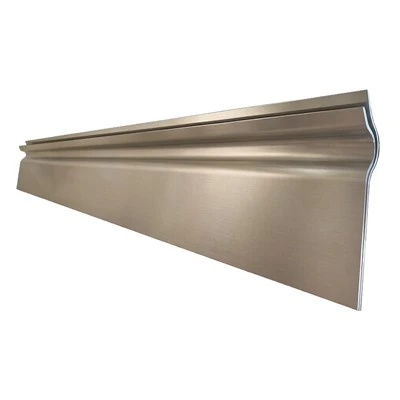
As a leading supplier of aircraft engine seals, our company has extensive expertise in the design, development, and manufacture of high-quality seals for the aerospace industry. We use the latest technologies and materials to ensure that our seals meet the highest standards of performance, reliability, and safety.
- Customized Solutions: We understand that every aircraft engine application is unique, and we offer customized solutions to meet the specific needs of our customers. Our engineering team works closely with our customers to understand their requirements and develop seals that are optimized for their application.
- Quality Assurance: We have a rigorous quality assurance program in place to ensure that our seals meet the highest standards of quality and reliability. Our manufacturing processes are certified to international standards, and we use advanced testing equipment to verify the performance of our seals.
- Technical Support: We provide comprehensive technical support to our customers, including installation, maintenance, and troubleshooting. Our team of experienced engineers is available to answer any questions and provide assistance whenever needed.
Conclusion
Aircraft Engine Seal Aircraft engine seals are essential components that play a crucial role in ensuring the airtightness of an aircraft engine. By using a combination of advanced mechanisms, materials, and technologies, these seals are able to maintain a tight seal under extreme conditions, improving the engine’s efficiency, performance, and safety. As a leading supplier of aircraft engine seals, our company is committed to providing high-quality solutions that meet the needs of our customers. If you are interested in learning more about our products and services, or if you have any questions or inquiries, please do not hesitate to contact us. We look forward to the opportunity to discuss your requirements and provide you with the best possible solutions.
References
- "Aircraft Engine Design" by Jack D. Mattingly, William H. Heiser, and David T. Pratt
- "Gas Turbine Theory" by H. Cohen, G. F. C. Rogers, and H. I. H. Saravanamuttoo
- "Sealing Technology Handbook" by William H. Ailor
Jiangsu Turbine Electric Power Technology Co., Ltd.
As one of the most professional aircraft engine seal manufacturers and suppliers in China, we have world-leading production equipment and strong manufacturing capabilities. Please feel free to buy advanced aircraft engine seal for sale here and get pricelist from our factory. Customized orders are welcome.
Address: Building 8, Huaqi Yungu Xuzhou Lingang Industry Accelerator, Jiawang District, Xuzhou City, Jiangsu Province
E-mail: zjh800@163.com
WebSite: https://www.cnturbine.com/
