Hey there! As a supplier of home energy storage systems, I’ve seen firsthand the importance of getting the transportation and handling right. It’s not just about moving these systems from point A to point B; it’s about ensuring they arrive in top – notch condition, ready to power up your homes. So, let’s dive into the key considerations for transporting and handling a home energy storage system. Home Energy Storage System
Packaging
First off, packaging is crucial. You can’t just throw these systems in a box and call it a day. Home energy storage systems are delicate, with lots of sensitive components. A good packaging design can protect them from shocks, vibrations, and environmental factors during transit.
We use custom – made crates that are specifically designed to fit the shape and size of our systems. These crates are made of high – quality materials, like thick cardboard or wooden frames, depending on the size and weight of the system. Inside, we add plenty of cushioning materials, such as foam inserts or airbags. These help absorb any impact during shipping, preventing damage to the internal components.
Another important aspect of packaging is labeling. We clearly mark the crates with handling instructions, including which side is up, and warnings about fragile contents. This helps the shipping personnel handle the packages correctly and reduces the risk of mishandling.
Shipping Mode
When it comes to shipping, there are a few options. The choice depends on factors like the distance, the size and weight of the system, and the delivery time.
Ground Shipping
For most local and regional deliveries, ground shipping is a popular choice. Trucks are a reliable way to transport home energy storage systems. They offer fast delivery times for nearby locations and can handle a wide range of package sizes. However, ground shipping can be affected by traffic, road conditions, and weather. That’s why we work with experienced carriers who have a good track record of on – time and safe deliveries.
Air Shipping
If you need a system delivered quickly, especially for long – distance or international orders, air shipping might be the way to go. It’s much faster than ground shipping, but it can also be more expensive. Air shipping is also subject to strict regulations regarding the transportation of batteries, which are a key part of home energy storage systems. We make sure to comply with all these regulations to avoid any issues during transit.
Sea Shipping
For large – scale orders or when time isn’t a critical factor, sea shipping can be a cost – effective option. Containers can hold multiple home energy storage systems, and shipping by sea is generally more environmentally friendly compared to air or ground shipping. But it does take longer, sometimes several weeks, and there’s a risk of damage from rough seas. We take extra precautions when packing for sea shipping, using stronger crates and more robust cushioning.
Handling During Transit
Once the system is on its way, proper handling is essential. The shipping personnel need to be trained to handle these systems with care.
Loading and Unloading
During loading and unloading, we make sure that the systems are lifted using the right equipment. Forklifts or pallet jacks are commonly used, but they need to be operated by trained professionals. Incorrect lifting can cause damage to the system, either by dropping it or putting too much stress on the components.
Storage in Transit
If the system needs to be stored during transit, it should be kept in a suitable environment. The storage area should be dry, well – ventilated, and at a stable temperature. Extreme temperatures can affect the performance and lifespan of the batteries in the energy storage system.
Installation and Commissioning
When the system arrives at its destination, the next step is installation and commissioning. This is another critical phase that requires careful handling.
Professional Installation
We always recommend having a professional install the home energy storage system. They have the knowledge and experience to ensure that the system is installed correctly and safely. Incorrect installation can not only lead to poor performance but also pose a safety risk.
Commissioning
After installation, the system needs to be commissioned. This involves testing the system to make sure it’s working properly. We provide detailed instructions to the installers and offer technical support if needed. During commissioning, we check the battery charge, the inverter operation, and the overall system performance.
Regulatory Compliance
Transporting and handling home energy storage systems is subject to various regulations. These regulations are in place to ensure the safety of the public, the environment, and the shipping personnel.
Battery Regulations
Batteries are a key component of home energy storage systems, and they are regulated by international and national laws. For example, lithium – ion batteries, which are commonly used in these systems, have specific requirements for packaging, labeling, and transportation. We stay up – to – date with these regulations and make sure that all our products comply.
Environmental Regulations
There are also environmental regulations to consider. Home energy storage systems are designed to be environmentally friendly, but during transportation and handling, we need to make sure that any potential environmental impacts are minimized. This includes proper disposal of packaging materials and ensuring that the systems are not leaking any hazardous substances.
Cost Considerations
Transportation and handling costs can add up, and it’s important to factor them into the overall price of the home energy storage system.
Shipping Costs
The cost of shipping depends on the shipping mode, the distance, and the size and weight of the system. We work with our shipping partners to get the best possible rates. Sometimes, we can offer free shipping as part of a promotion or for large orders.
Handling Costs
Handling costs include the cost of packaging, loading, unloading, and storage. We try to keep these costs as low as possible without compromising on the quality of the handling. By optimizing our packaging design and working with efficient carriers, we can reduce these costs and pass the savings on to our customers.
Customer Support
Throughout the transportation and handling process, we provide excellent customer support. We understand that our customers are eager to get their home energy storage systems up and running, and we want to make the process as smooth as possible.
Tracking
We offer tracking services so that our customers can monitor the progress of their orders. This gives them peace of mind and allows them to plan for the installation.
Technical Support
If our customers have any questions or concerns during the transportation, handling, installation, or commissioning process, our technical support team is available to help. We can provide advice on everything from packaging to system operation.
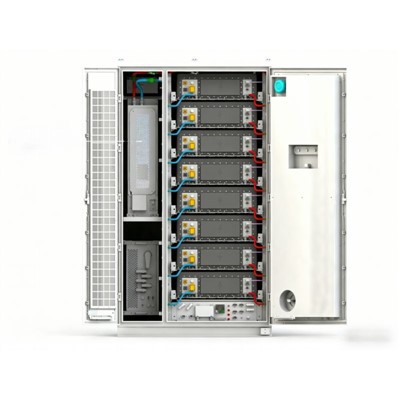
In conclusion, transporting and handling a home energy storage system is a complex process that requires careful planning and attention to detail. From packaging to installation, every step is important to ensure that the system arrives safely and works properly. As a supplier, we are committed to providing high – quality products and excellent service. If you’re interested in purchasing a home energy storage system, we’d love to have a chat with you about your needs. Just reach out, and we can start the conversation about how we can power up your home with our reliable energy storage solutions.
Solar DC Cable References
- Industry standards for battery transportation
- Guidelines for packaging of electrical equipment
- Best practices for handling and installation of home energy storage systems
Tianjin Xilingke New Energy Technology Co., Ltd.
As one of the most professional home energy storage system manufacturers and suppliers in China, we’re featured by quality products and low price. Please rest assured to wholesale durable home energy storage system made in China here from our factory. For quotation, contact us now.
Address: Suite 2601, Tower B, Wanghai International, Haihe East Road, Hebei District, Tianjin, China.
E-mail: robin@sinelinkev.com
WebSite: https://www.sinelinkenergy.com/
