In the realm of steel resin sand castings, the gating system plays a pivotal role. As a seasoned supplier of steel resin sand castings, I’ve witnessed firsthand the significance of well – designed gating systems in ensuring high – quality castings. Steel Resin Sand Castings

Understanding Gating Systems in Steel Resin Sand Castings
Gating systems are a crucial part of the casting process. They are designed to direct the molten metal into the mold cavity in a controlled manner. In steel resin sand castings, the gating system serves multiple purposes. Firstly, it helps to fill the mold cavity completely and uniformly. This is essential because any voids or uneven filling can lead to defects in the final casting, such as porosity or incomplete sections. Secondly, the gating system helps to remove impurities from the molten metal. By allowing the impurities to be trapped in the gating channels before they reach the mold cavity, we can ensure a cleaner and higher – quality casting.
Types of Gating Systems
1. Top Gating System
The top gating system is one of the simplest and most commonly used gating systems in steel resin sand castings. In this system, the molten metal is poured from the top of the mold cavity. This has the advantage of being easy to set up and allowing the molten metal to flow quickly into the mold. However, it also has some drawbacks. Since the molten metal is poured from the top, it can cause splashing and turbulence, which may lead to the entrapment of air and impurities in the casting.
For example, in a small – scale steel resin sand casting project for producing simple machine parts, a top gating system was initially used. The pouring was relatively fast, but upon inspection, the castings showed some surface defects due to the splashing effect. To address this, we had to make some adjustments to the gating design.
2. Bottom Gating System
The bottom gating system, as the name suggests, involves pouring the molten metal from the bottom of the mold cavity. This system has several advantages. The molten metal rises steadily and smoothly, reducing the chances of splashing and air entrapment. It also allows for better filling of the mold, especially for complex – shaped castings.
In one of our large – scale projects for manufacturing steel gears, a bottom gating system was employed. The result was a set of high – quality gears with minimal internal defects. The smooth filling process ensured that the intricate tooth profiles of the gears were accurately replicated. However, the bottom gating system requires more precise design and control. If the gating channels are not properly sized, it can lead to slow filling or even incomplete filling of the mold.
3. Step Gating System
The step gating system is a combination of top and bottom gating. It consists of multiple levels of gating channels that allow the molten metal to enter the mold at different heights. This system provides a balance between the fast filling of the top gating and the smooth filling of the bottom gating.
For instance, when casting large – sized steel structural components, a step gating system was used. The molten metal first entered the lower part of the mold through the bottom – level gating channels, ensuring a stable base. Then, as the mold filled, the upper – level gating channels allowed the metal to flow into the upper sections. This way, we were able to achieve a more uniform filling of the large – volume mold.
4. Runnerless Gating System
Runnerless gating systems are a more advanced option in steel resin sand castings. In this system, there are no traditional runners to carry the molten metal from the pouring basin to the mold cavity. Instead, the molten metal is directly injected into the mold through a specialized nozzle. This system reduces the amount of wasted metal, as there is no need for the extra metal in the runners.
We have used runnerless gating systems in some high – precision casting projects. For example, in the production of small – sized steel jewelry components, the runnerless gating system helped to minimize material waste and improve the overall efficiency of the casting process. However, this system requires more advanced equipment and precise control, making it more suitable for high – value and small – batch production.
Design Considerations for Gating Systems in Steel Resin Sand Castings
1. Mold Geometry
The shape and size of the mold cavity have a significant impact on the gating system design. For complex – shaped molds, a more elaborate gating system may be required to ensure complete filling. For example, if the mold has thin sections or intricate features, a bottom gating or step gating system may be more appropriate to ensure smooth and uniform filling.
2. Metal Flow Rate
The flow rate of the molten metal is another important factor. If the flow rate is too high, it can cause splashing and turbulence, leading to defects in the casting. On the other hand, if the flow rate is too low, the mold may not fill completely. The gating system design should be adjusted to control the flow rate based on the properties of the molten steel and the size of the mold.
3. Impurity Removal
As mentioned earlier, the gating system should be designed to remove impurities from the molten metal. This can be achieved by incorporating filters or traps in the gating channels. For example, a ceramic filter can be placed in the runner to trap solid impurities, ensuring a cleaner casting.
Quality Control and Optimization of Gating Systems
To ensure the quality of steel resin sand castings, continuous quality control and optimization of the gating systems are necessary. We regularly conduct inspections of the castings to check for defects related to the gating system. If any issues are found, we analyze the gating design and make appropriate adjustments.
For example, if a casting shows porosity in a particular area, we may suspect that the gating system is not providing sufficient metal flow to that area. In such cases, we may modify the gating channels to increase the flow rate or change the gating type to improve the filling pattern.
We also use computer – aided simulation software to optimize the gating system design. This software can simulate the flow of molten metal in the mold, allowing us to predict potential problems and make adjustments before actual casting. By using simulation, we can save time and resources by avoiding costly trial – and – error processes.
Conclusion
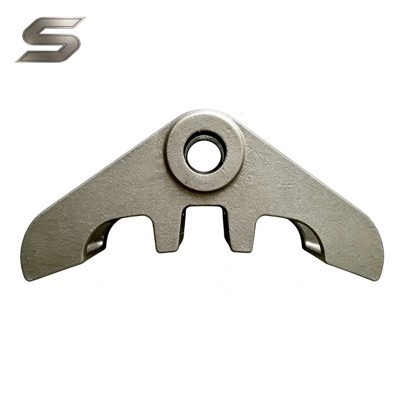
In conclusion, gating systems are an integral part of steel resin sand castings. The choice of gating system depends on various factors such as the mold geometry, metal flow requirements, and impurity removal needs. As a supplier of steel resin sand castings, we are committed to using the most appropriate gating systems to ensure the highest quality of our products.
Aluminum Die Castings If you are in the market for high – quality steel resin sand castings, we invite you to contact us for a detailed discussion. Our team of experts is ready to assist you in finding the best solutions for your casting needs. Whether you have a small – scale project or a large – scale production requirement, we can provide you with customized gating system designs and high – quality castings.
References
- Campbell, J. (2003). Castings. Butterworth – Heinemann.
- Kalpakjian, S., & Schmid, S. R. (2013). Manufacturing Engineering and Technology. Pearson.
- Flemings, M. C. (1974). Solidification Processing. McGraw – Hill.
Hebei Shata Machinery Co., Ltd.
As one of the most experienced steel resin sand castings manufacturers and suppliers in China, we have advanced foundry technique and professional production team. Welcome to buy high-grade steel resin sand castings for sale here from our factory. All custom made products are with high quality and competitive price.
Address: No.11 Cangshun Rd., Shijiazhuang, Hebei, China
E-mail: Info@shatamachinery.com
WebSite: https://www.shatamachinery.com/
